


Invertebrates of the Tagus Estuary
The sediments and surfaces of submerged materials such as stones or empty shells provide habitats for many benthic invertebrate organisms (those that live on or in the seabed), whether they are attached, buried, or move along the sediment surface. These organisms are classified by size:
- Macroinvertebrates or macrobenthos (over 1 mm in adult length),
- Meiobenthos (0.63 mm to 1.0 mm),
- Microbenthos (less than 0.63 mm).
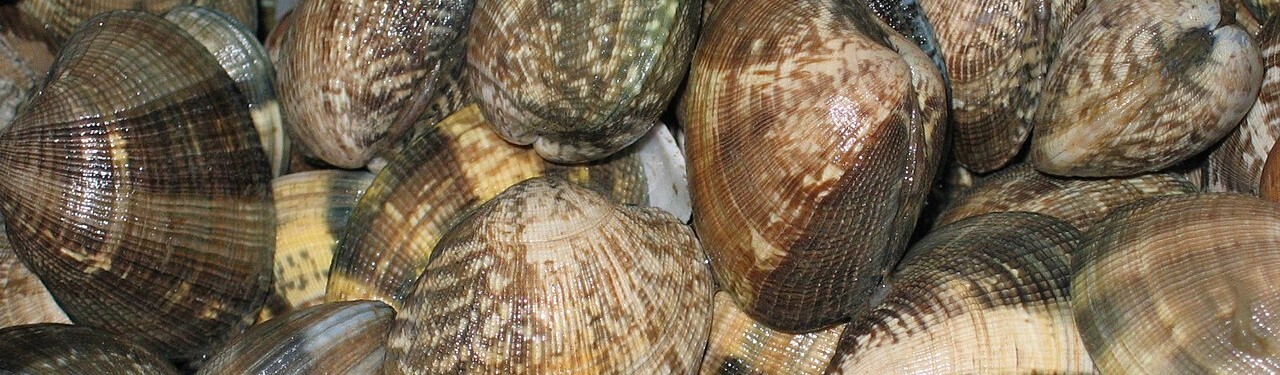
Among the macroinvertebrates, the most abundant groups are annelids (worm-like), mollusks, and crustaceans. A particularly abundant annelid in the estuary is Hediste diversicolor, commonly known as the fishing worm. The mollusk group is one of the most important and diverse in the estuary, including mussels, oysters, cockles, clams, periwinkles, cuttlefish, octopuses, and others—many of which are commercially harvested. Among periwinkles, the small Peringia ulvae is the most common species in the estuary, though it holds no commercial value. Crustaceans include various species of shrimp and crabs, some of which—such as the moor shrimp—are key components in fish diets.
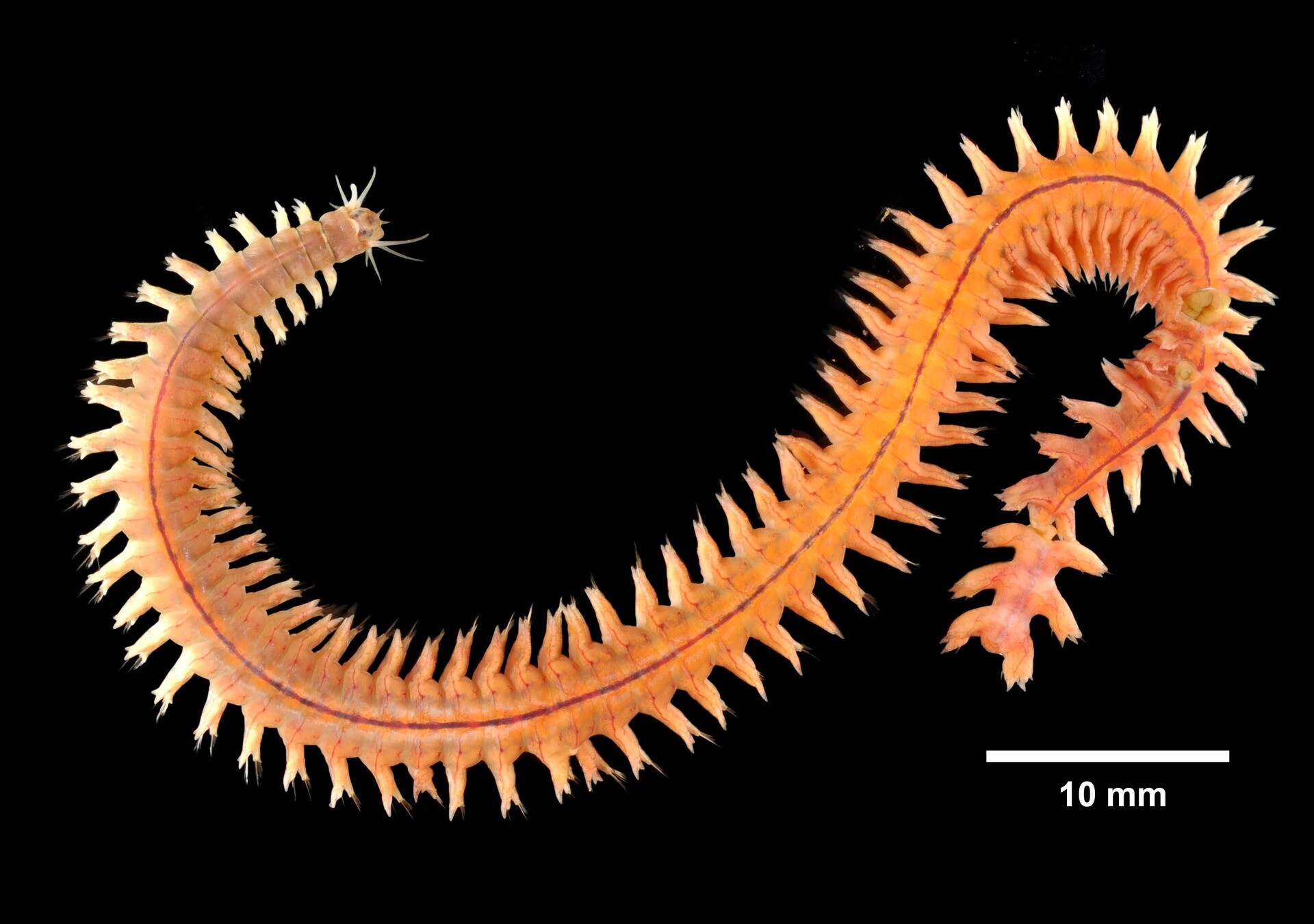
Fishing Worm, Hediste diversicolor (Lazo-Wasem)
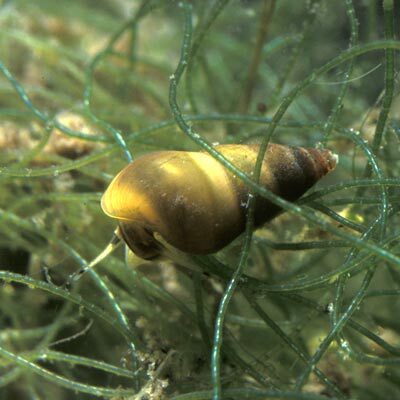
Peringia ulvae (Roy Anderson)
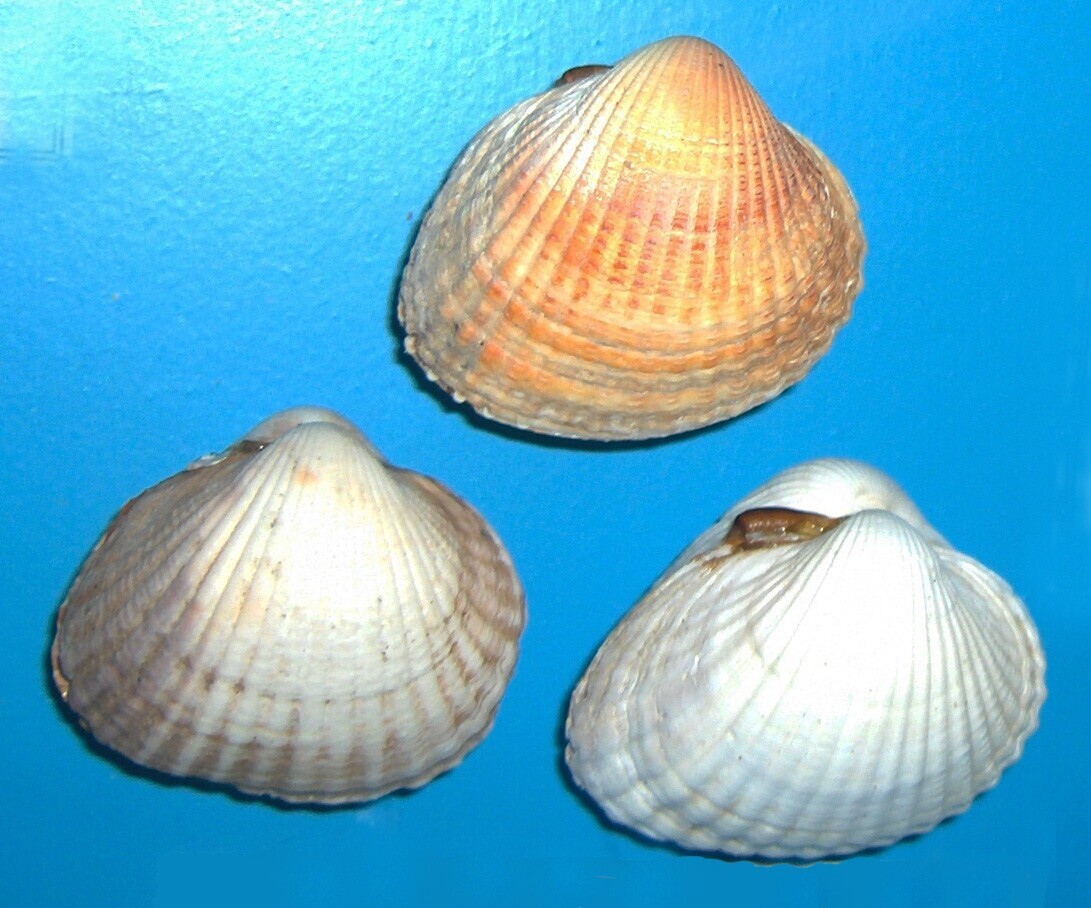
Common Cockle, Cerastoderma edule (Georges Jansoone)
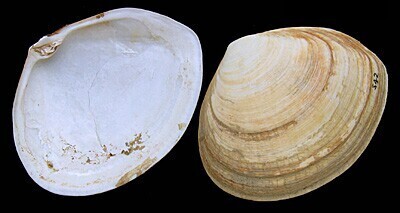
Peppery Furrow Shell, Scrobicularia plana (Jan Johan ter Poorten)
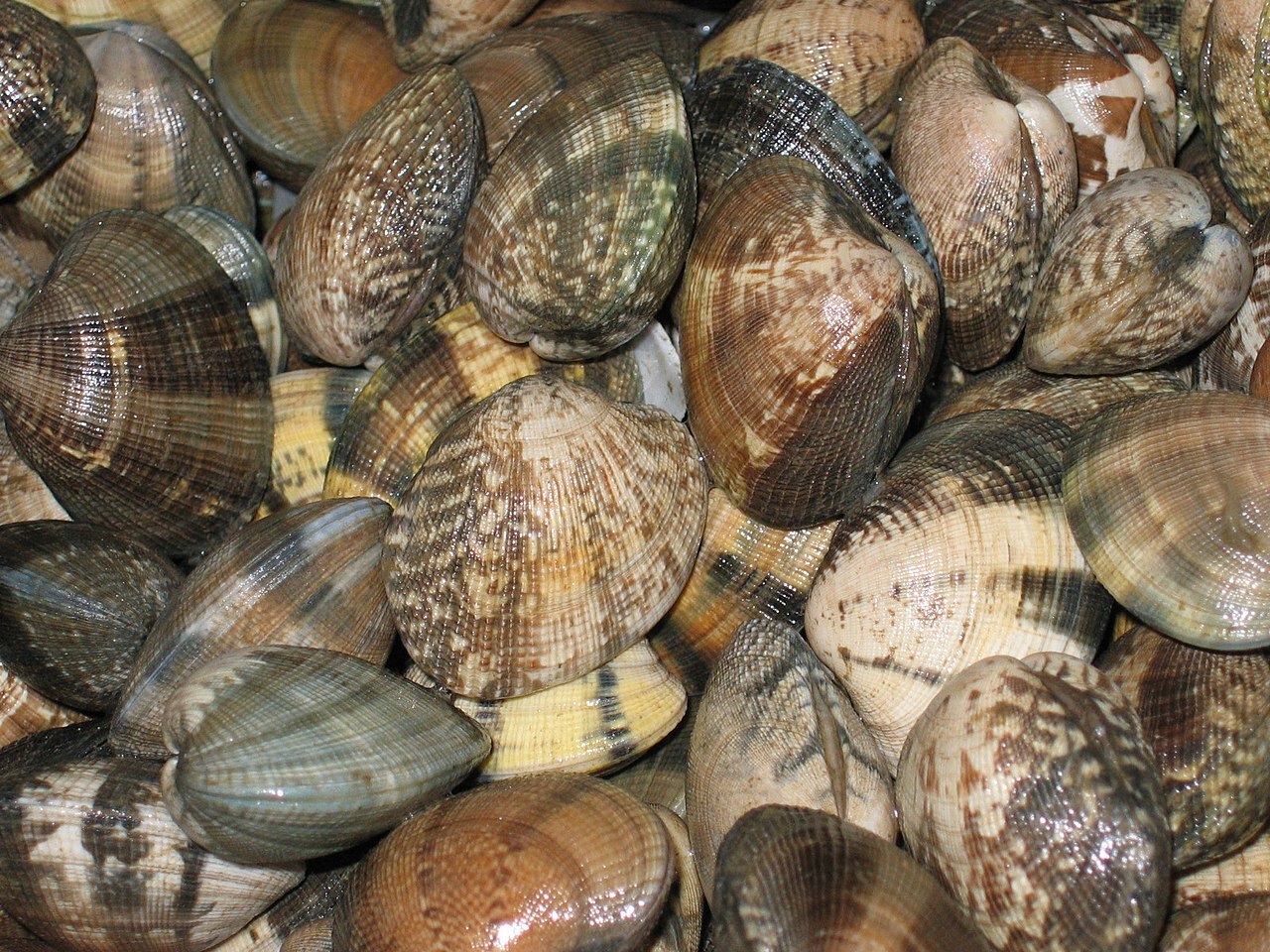
Japanese Clam (Ruditapes philippinarum), an invasive species native to Japan. (Lameiro)
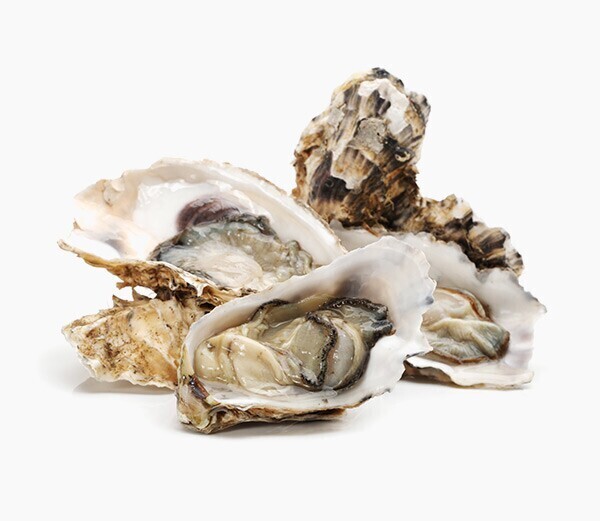
Portuguese Oyster, Crassostrea angulata, (Imagem Adobe Stock)
Tagus Oysters
The Tagus estuary was once a major center for the production of the renowned Portuguese oyster, Crassostrea angulata.
The exact origin of Crassostrea angulata in the Tagus is uncertain. One theory suggests it may have been brought from the East during the Age of Discoveries. However, archaeological evidence discovered in Gaio by archaeologist Tiago do Pereiro shows that oysters were already consumed in the Neolithic period.
In the early 20th century, the increasing discharge of domestic sewage into the Tagus—due to rapid urban expansion along the riverbanks—threatened oyster harvesting. In 1951, to mitigate river pollution, a purification facility was established to make these bivalves safe for consumption again. This became known as the Tagus Oyster Purification Station (Posto de Depuração de Ostras do Tejo).
Located in Rosário, the station remained operational until February 1996, although by the early 1970s it was only processing oysters from outside the Tagus. Pollution in the estuary had caused gill diseases in the oysters, leading to their decline. Nonetheless, recent improvements in water quality have rekindled hope for a potential recovery of oyster populations in the estuary.
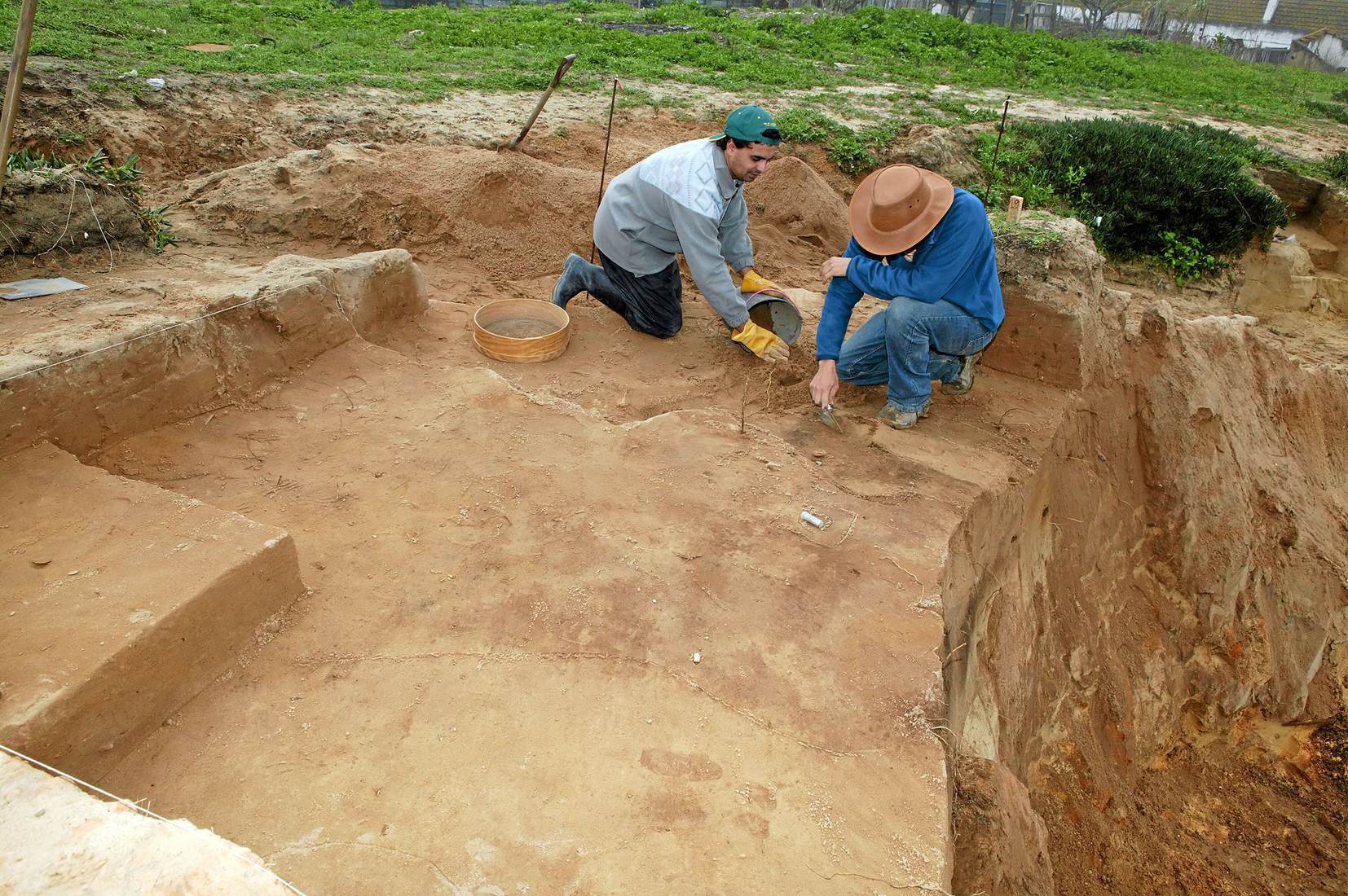
Archaeological excavation in Gaio in 2008 (Municipal Archive)
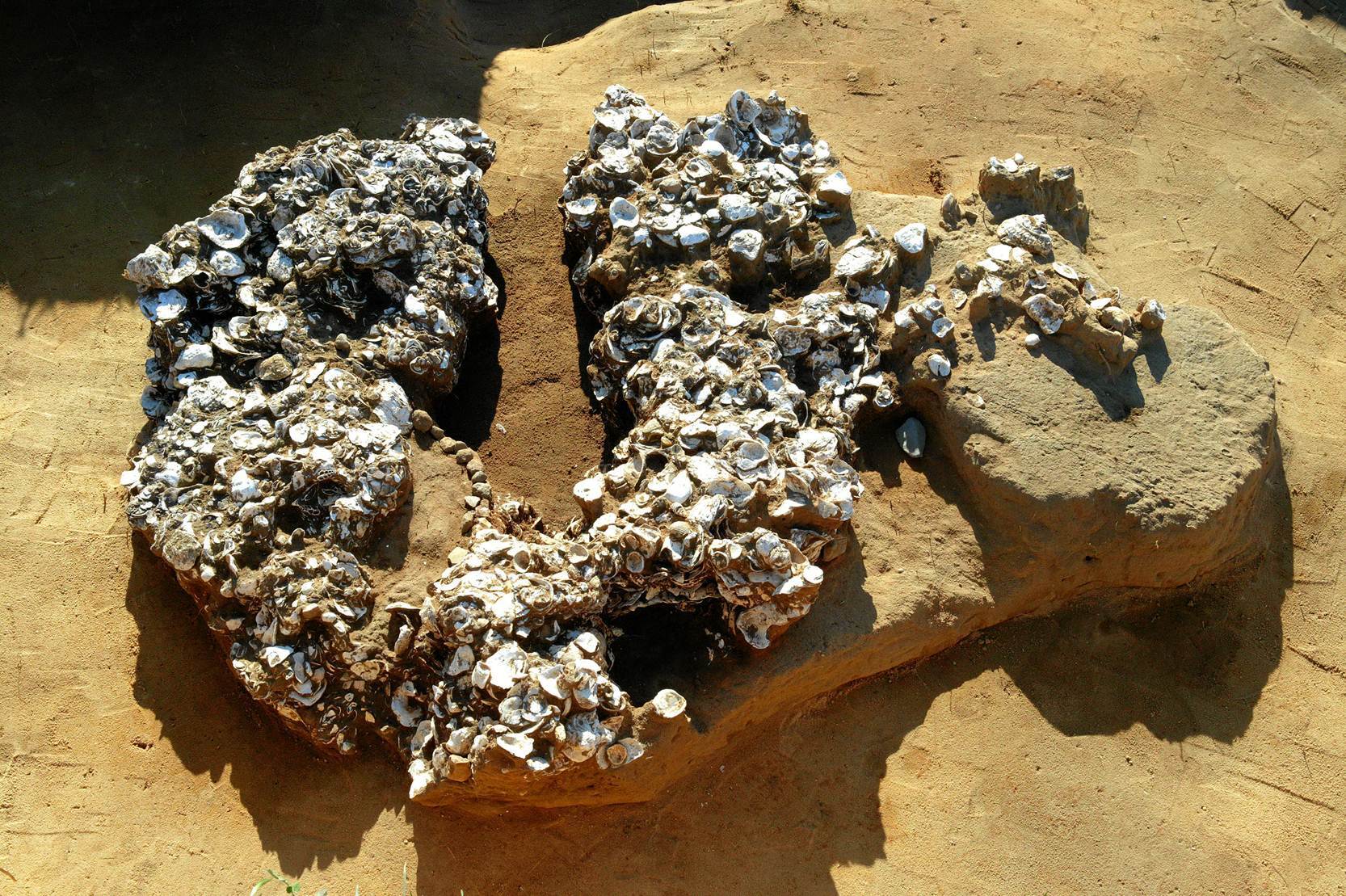
Neolithic Oyster Shell Heap (approx. 4000 B.C.) discovered in Gaio in 2008 (Municipal Archive)
In the early 20th century, the increasing discharge of domestic sewage into the Tagus—due to rapid urban expansion along the riverbanks—threatened oyster harvesting. In 1951, to mitigate river pollution, a purification facility was established to make these bivalves safe for consumption again. This became known as the Tagus Oyster Purification Station (Posto de Depuração de Ostras do Tejo).
Located in Rosário, the station remained operational until February 1996, although by the early 1970s it was only processing oysters from outside the Tagus. Pollution in the estuary had caused gill diseases in the oysters, leading to their decline. Nonetheless, recent improvements in water quality have rekindled hope for a potential recovery of oyster populations in the estuary.
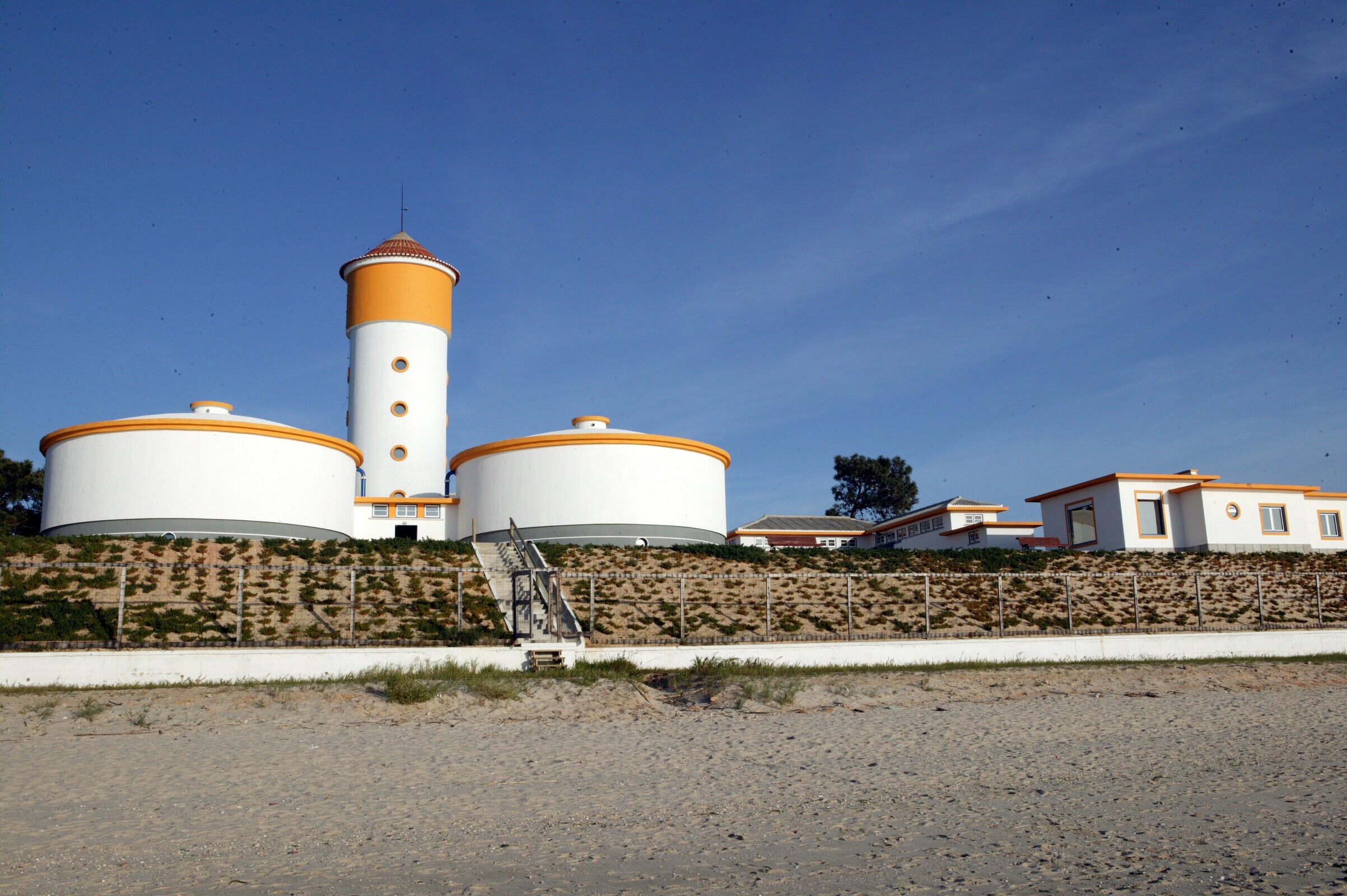
Building of the former Tagus Oyster Purification Station, in Rosário. (Municipal Archive)