


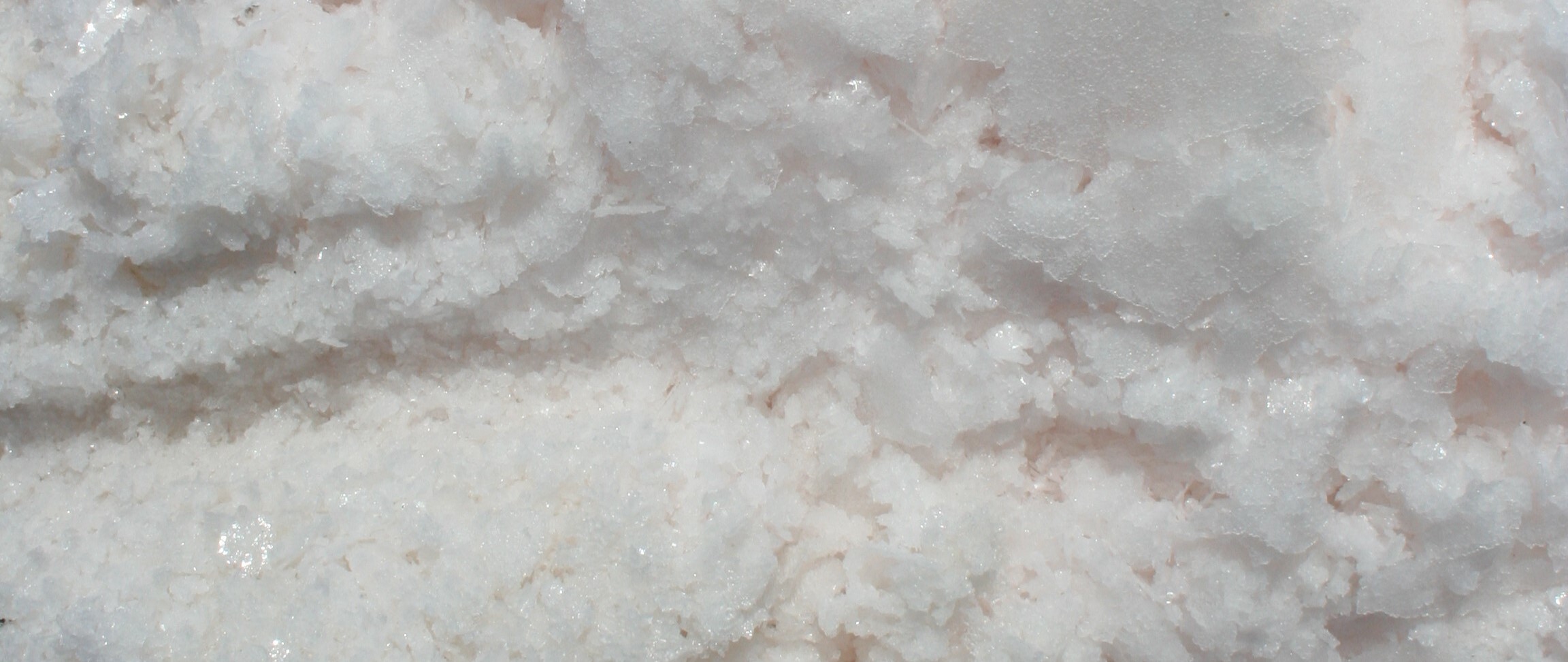
Salt in the Municipality of Moita
The Portuguese sea coast and the Tagus and Sado estuaries, swept by strong, hot winds in summer, have favorable climatic conditions for the development of salt farming. Excavations carried out by the Museum of Archaeology and Ethnography of the Setúbal District (MAEDS) at Ponta da Passadeira, between the municipalities of Moita and Barreiro, have made it possible to trace the salt exploitation in this region back to the late Neolithic and Chalcolithic periods (IV/III millennium BC), using the igneous production method, which consists of evaporating the brine by heating it with fire.
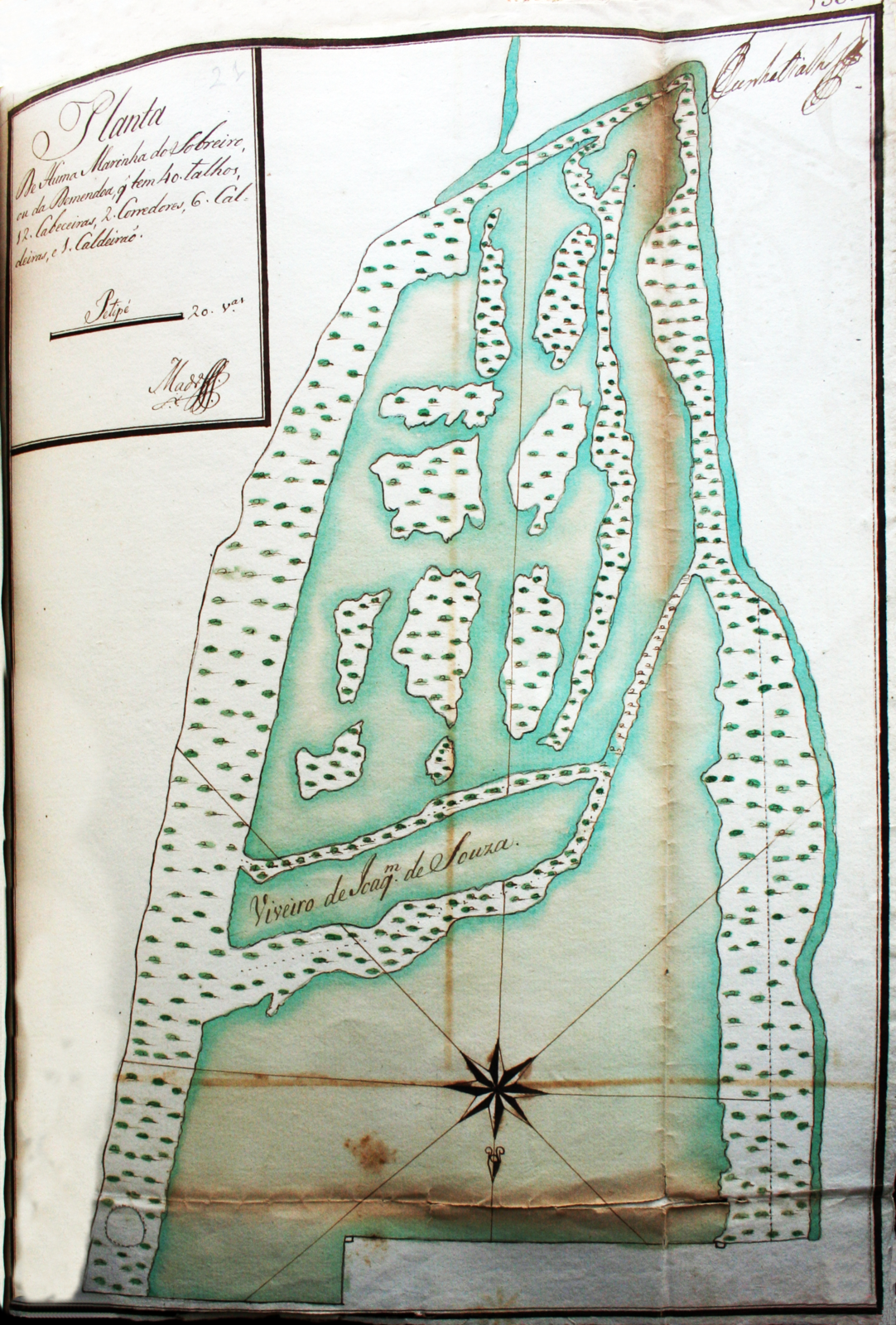
Between the 10th and 15th centuries, salt production was dominated by exploitation in the north of Portugal ( Ave, Douro and Mondego rivers, and Aveiro estuary). The first documentary references to salt exploitation appear after the reconquest; in the case of the Sado river, it was only through a perpetual donation by King Afonso III to the Master of the Order of Santiago, regarding fishing rights in the region, in 1255; and in the case of the Tagus estuary, in 1274, due to a disagreement between King Afonso III and the Order of Santiago. In the following centuries, salt production increased and Setúbal became the country's main salt producing and exporting center, mainly to Northern Europe. In 1852, with the extinction of the ‘roda do sal’ (which had been created in the 16th century to control the sale of salt) and with the rise of other production centers, the Sado salt pans began to decline, giving way to the Tagus salt pans.

Following the reconquest of Alcácer do Sal to the Moors, in 1217, and the territory pacification, stable conditions were created for the settlement of populations to the south of the Tagus river. In the middle of the 13th century, a number of locations along the vast riverbank began to spring up under the colonizing drive of the Order of Santiago. These locations gave rise to the old municipality of Ribatejo, with parish seats in Alhos Vedros and Sabonha, where the primary sources of income were wine and salt. References to salt in Alhos Vedros date back to 1319, through a document that sentenced the inhabitants ‘of Ribatejo, parishes of S. Lourenço de Alhos Vedros, to pay the tithe of the salt belonging to the Cabbido of the said tenants’.
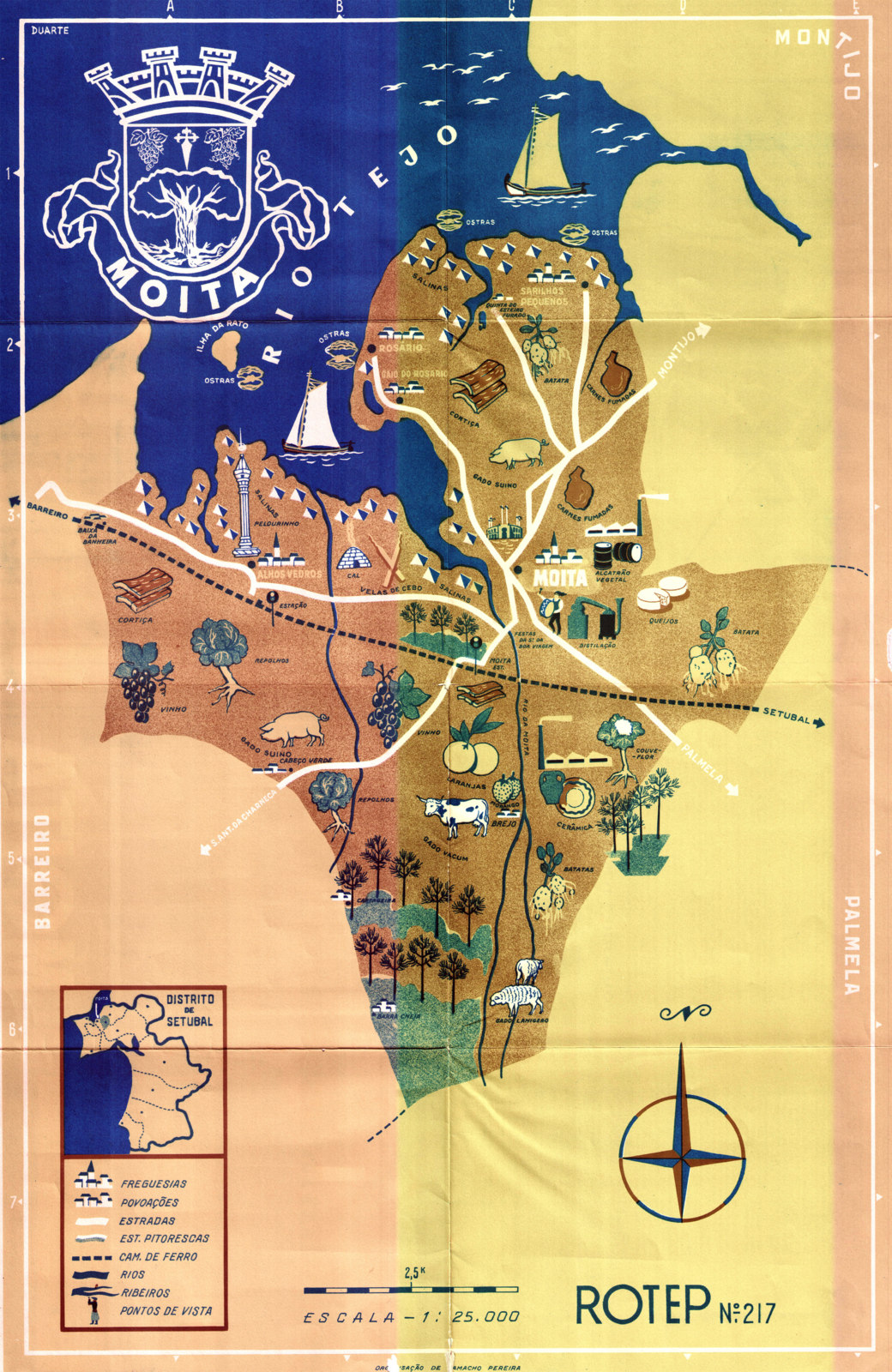
At the beginning of the 14th century, salt farming in Ribatejo was a privilege of the Monastery of Santos. In the following centuries, the construction of salt pans developed into a real salt landscape in the marshes and beaches of Alhos Vedros, Moita, Sarilhos Pequenos, Rosário and Baixa da Banheira. The salt pans, which were a key source of local prosperity, were operated for over six centuries before being abandoned in the second part of the twentieth century.
In the 1958 survey of the Tagus salt industry, the most important in the country, which included Barreiro, Loures, Moita, Montijo, Seixal and Vila Franca de Xira, the municipality of Moita reported 81 salt pans, more than half of the total (135) and was the most profitable municipality, producing 16,112.5 tonnes. The introduction of cooling technologies for food preservation and the rise of more competitive markets resulted in the abandonment of the salt pans, which were later reclaimed by vegetation.