


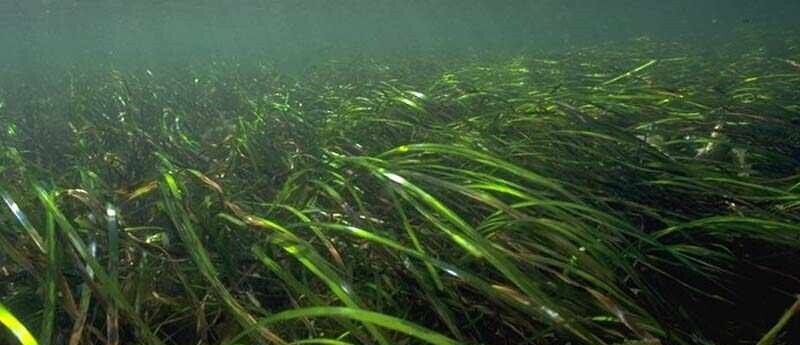
Salt Marsh and Salt Pans Flora
In Portugal’s salt marshes, the most common halophyte plants include Sea Purslane (Halimione portulacoides), Glasswort (Sarcocornia fruticosa), Cordgrass (Spartina maritima), and Sea Rush (Juncus maritimus). At the Sítio das Marinhas, you can easily find the first three species, along with others also abundant throughout the Tagus estuary area.
Get to know the spontaneous flora of the riverside area by downloading the leaflet “Flora Espontânea da Zona Ribeirinha”
Some halophyte plants are edible and have good nutritional properties, being rich in mineral salts and antioxidants. Their use in cooking can help reduce the need for added salt.
Sea Purslane
The gramata-branca (Halimione portulacoides), also known in culinary contexts as sea purslane, has succulent leaves with a crunchy texture and a pleasant salty flavor. The best time to consume sea purslane is between March and June, when it is at its peak.
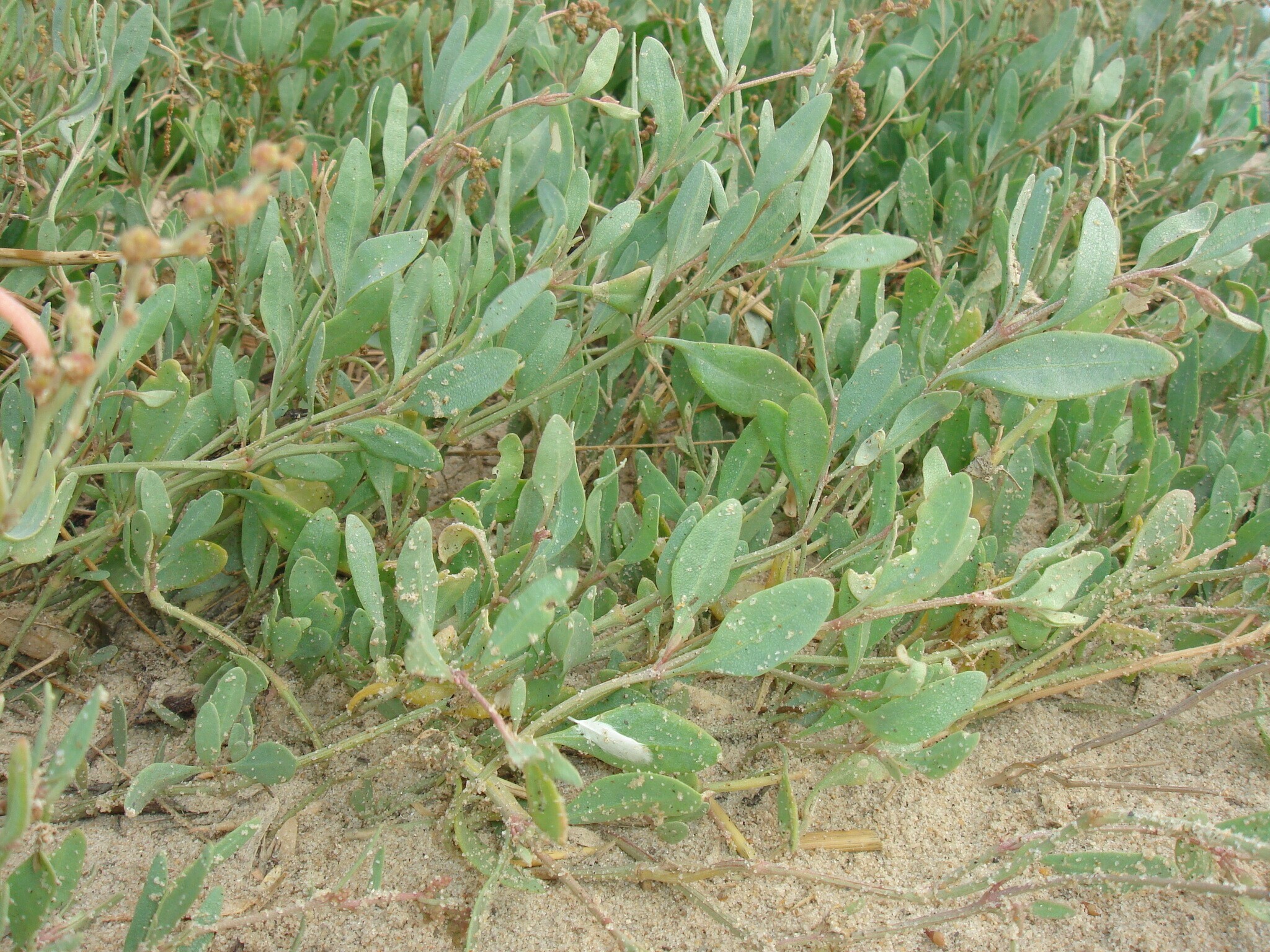
Sea Purslane, Halimione portulacoides (Municipal Archive)
Glasswort
The sarcocórnia (Sarcocornia fruticosa), also scientifically referred to as Arthrocnemum fruticosum or Salicornia fruticosa, is commonly known as sea green bean. It features dull green stems and is available all year round, even in winter. It’s ideal for sautéing.
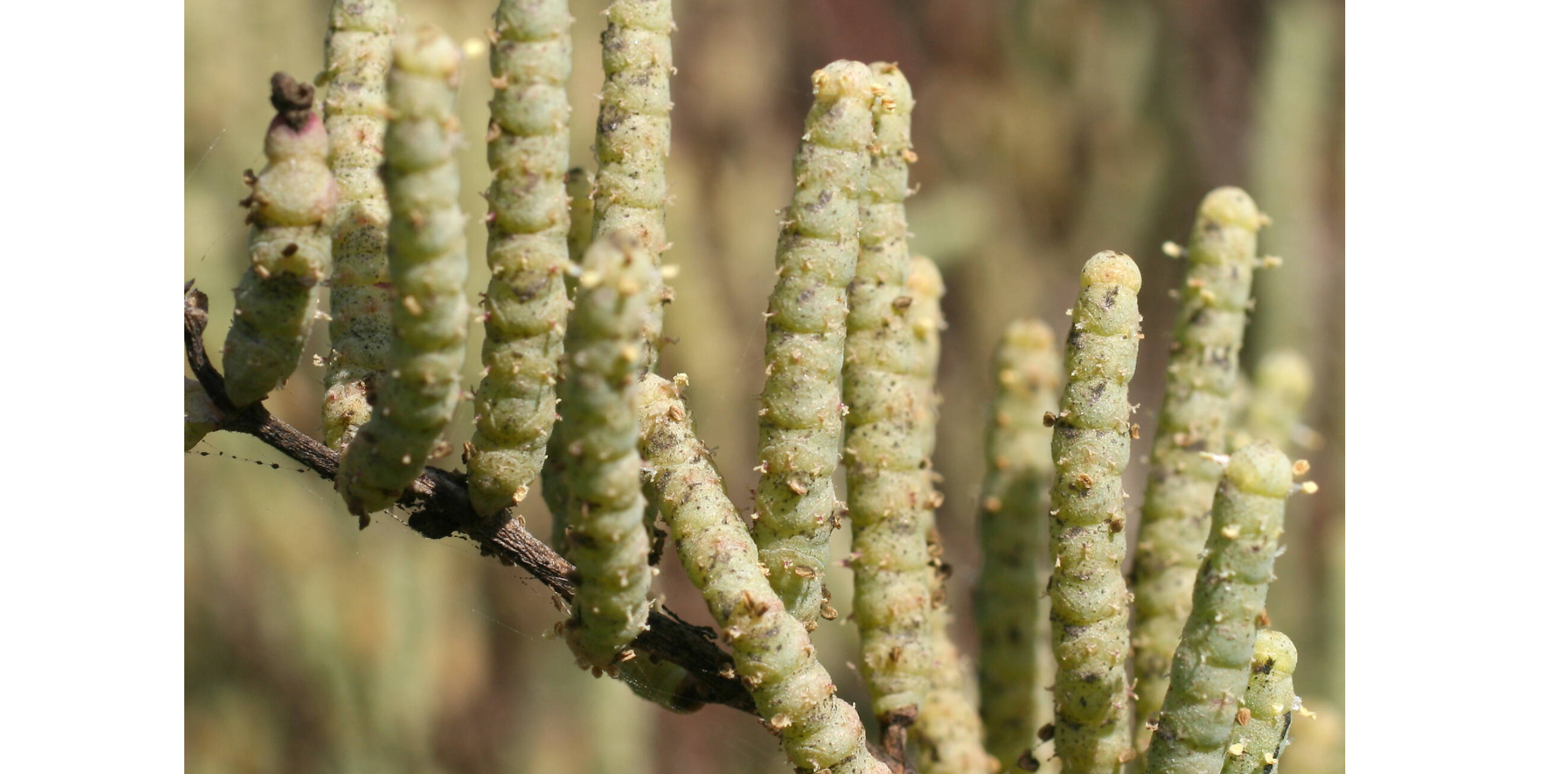
Sarcocórnia, Sarcocornia fruticosa (Carlos Aguiar)
Samphire
Salicornia (Salicornia ramosissima), also known as sea asparagus, is similar to sarcocornia. It has fleshy, jointed stems and tips, usually highly branched, dark green in color, with a pleasant salty flavor. It is typically harvested from March to August.
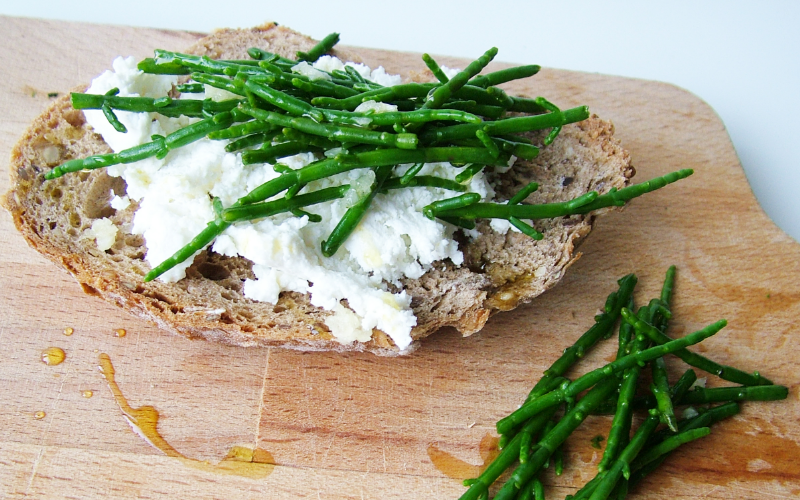
Salicornia ramosíssima
The Suaeda Genus
The genus Suaeda includes several species in Portugal, but at the Sítio das Marinhas you’ll find Suaeda vera, commonly known as marsh valerian. In winter and spring, it is green and tender, while in summer and autumn it becomes colorful (yellow, red, purple), succulent, and has a salty flavor.
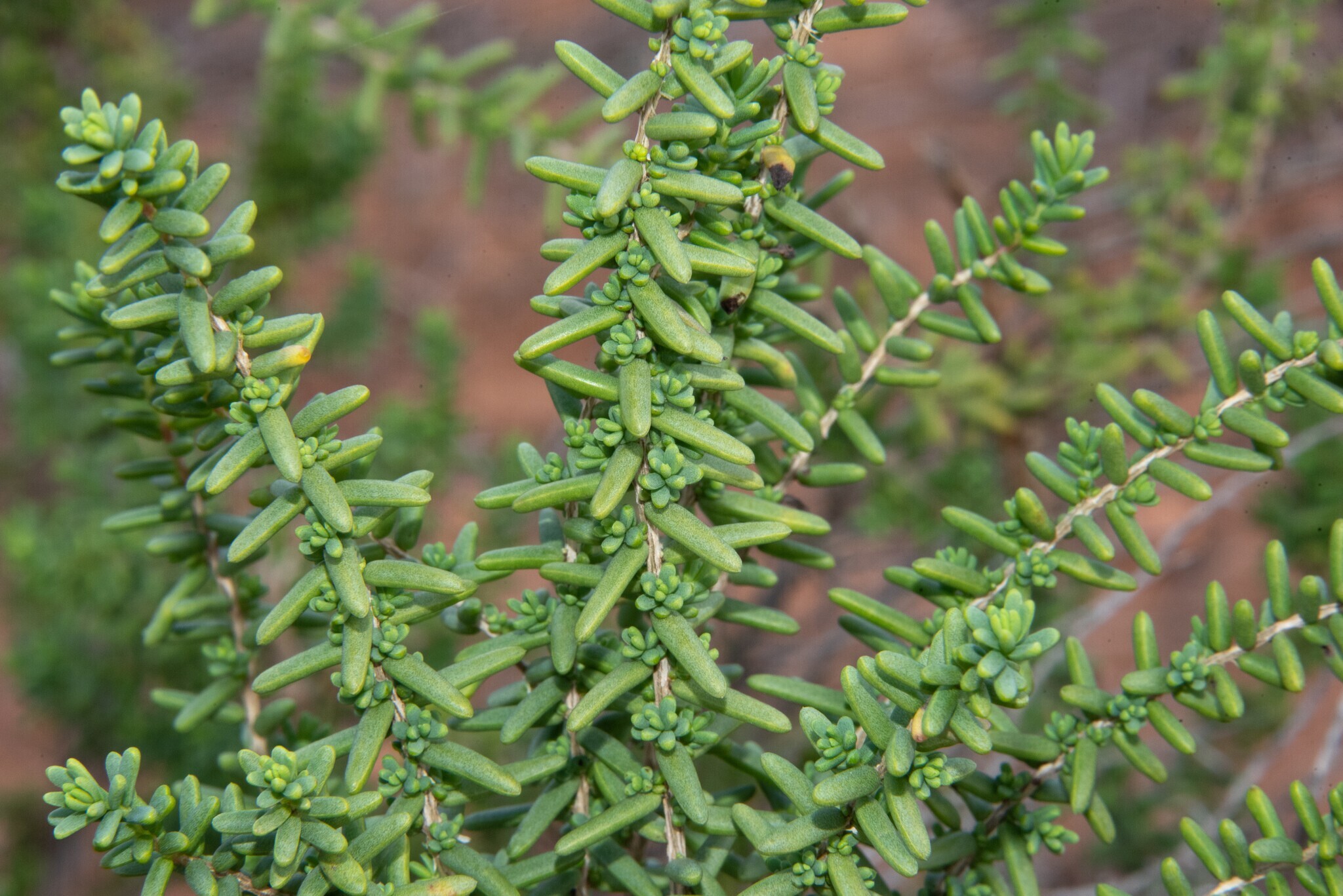
Valverde-dos-sapais, Suaeda vera (Donald Loarie)