


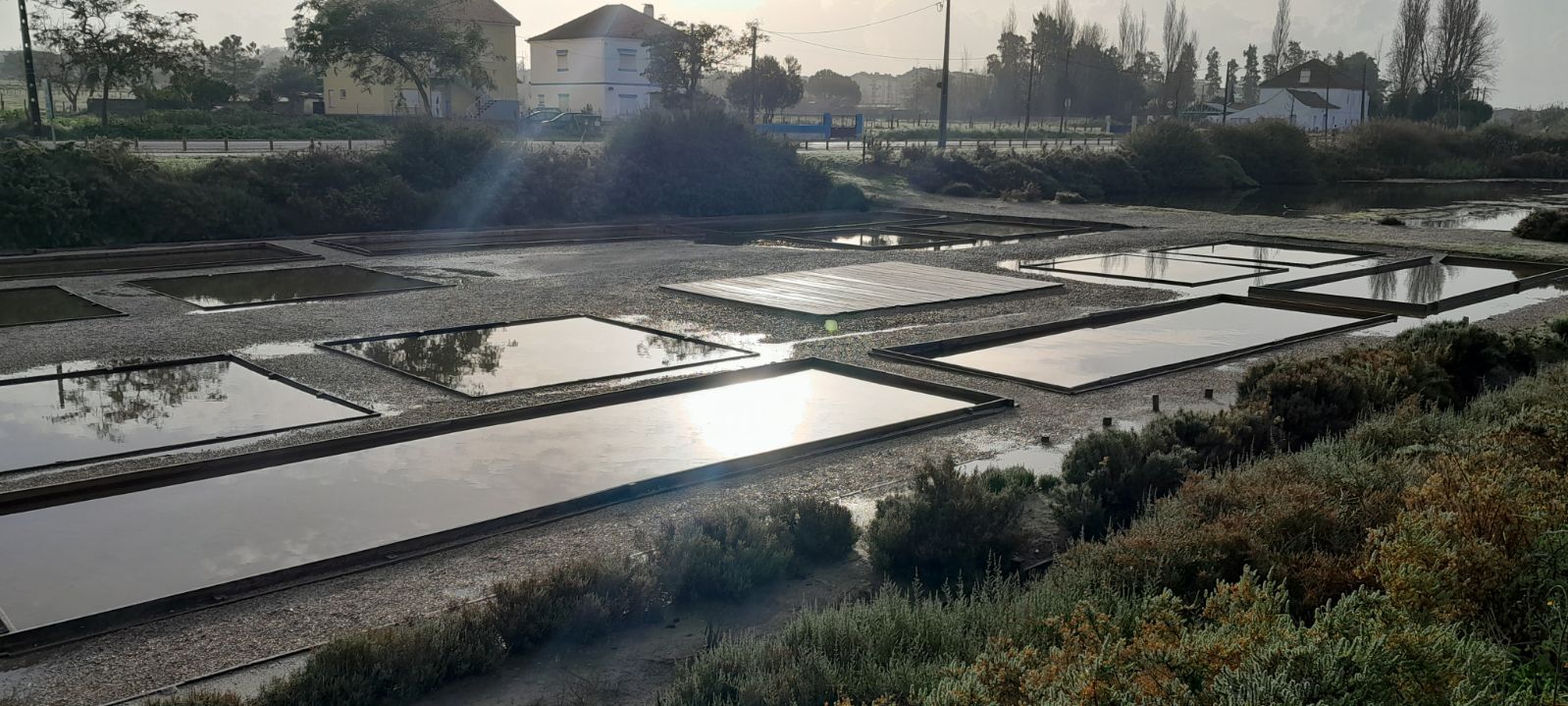
Although salt pans are an extreme environment due to the heat and presence of salt, they are home to a considerable amount of fauna and flora.
One small invertebrate highly adapted to life in the extreme environmental conditions of salt pans is the brine shrimp (Artemia salina). These small crustaceans vary in size and color from pale pink to reddish, white or greenish, depending on the type of food they consume. Brine shrimp are widely used as fish and shrimp feed in aquaculture and aquariums, as well as in scientific research. It reproduces both sexually and parthenogenetically, in which case the males are absent and the females are able to produce their offspring on their own.
-
One small invertebrate highly adapted to life in the extreme environmental conditions of salt pans is the brine shrimp (Artemia salina). These small crustaceans vary in size and color from pale pink to reddish, white or greenish, depending on the type of food they consume. Brine shrimp are widely used as fish and shrimp feed in aquaculture and aquariums, as well as in scientific research. It reproduces both sexually and parthenogenetically, in which case the males are absent and the females are able to produce their offspring on their own.
With the help of a magnifying glass it is possible to observe the morphological features of the brine shrimp, whose presence is frequent in the crystallization ponds at Sítio das Marinhas
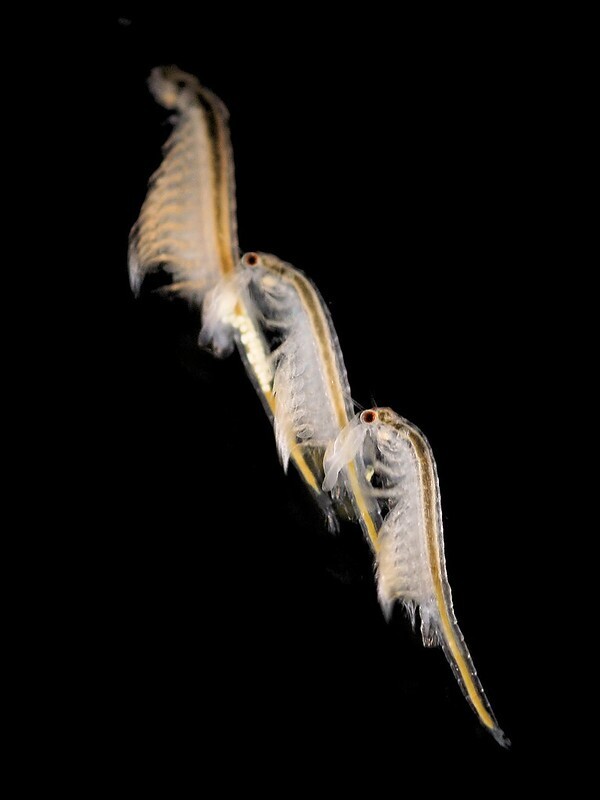
Artemia salina (Hans Hillewaert)
-
Easy to identify, the black-winged stilt strikes the eye because of its strongly contrasting plumage: the white body, head, and neck contrast with the black wings. The long pink legs give this bird a wader appearance. The black bill is thin and straight. Once a mainly summer species in Portugal, the black-winged stilt can now be observed in Portugal all year round, mainly in salt pans and ponds or small lagoons. In the Lisbon and Tagus Valley region, the Tagus estuary is the primary site for this species, also present in Sítio das Marinhas.
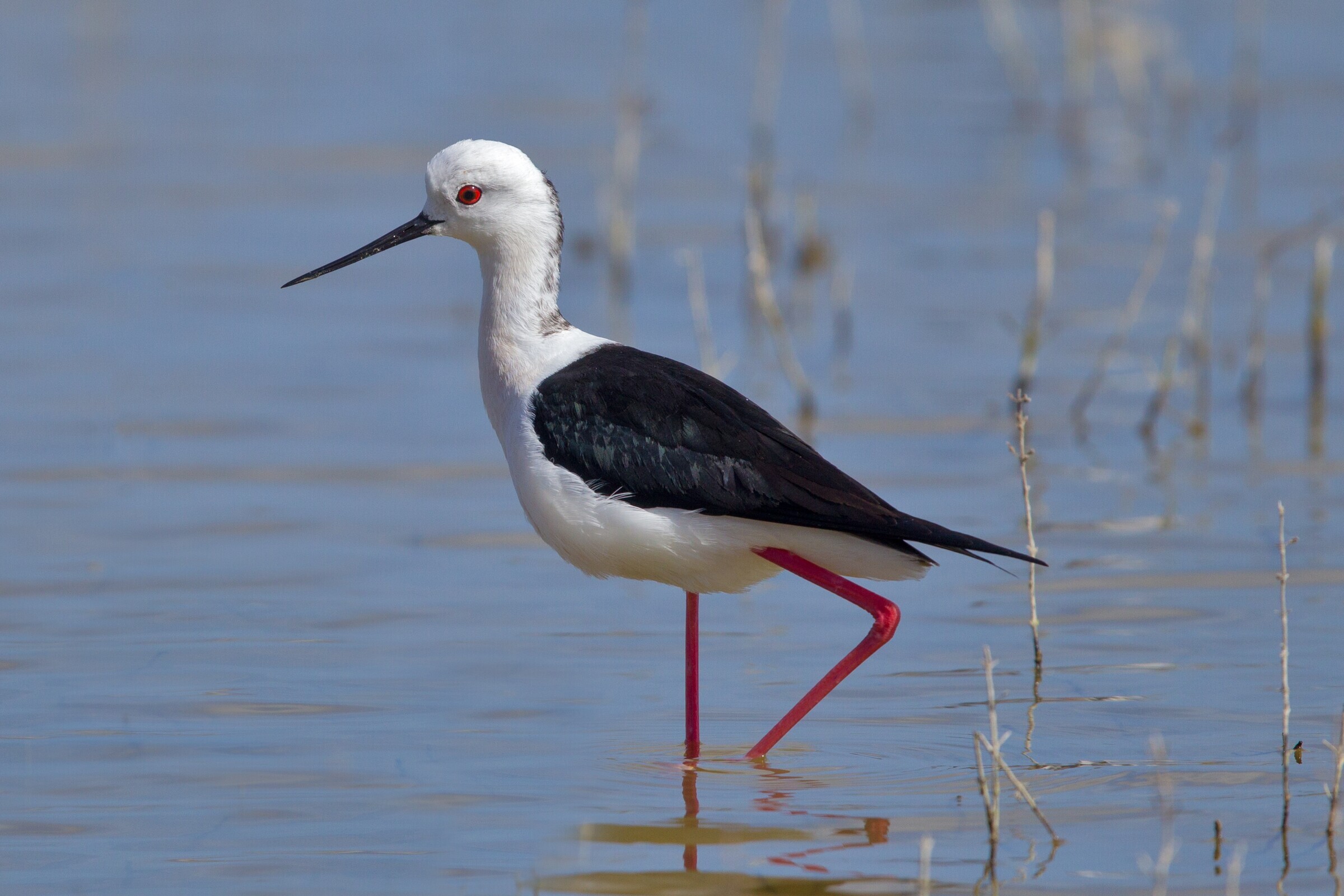 Adult black-winged stilt (Himantopus himantopus)
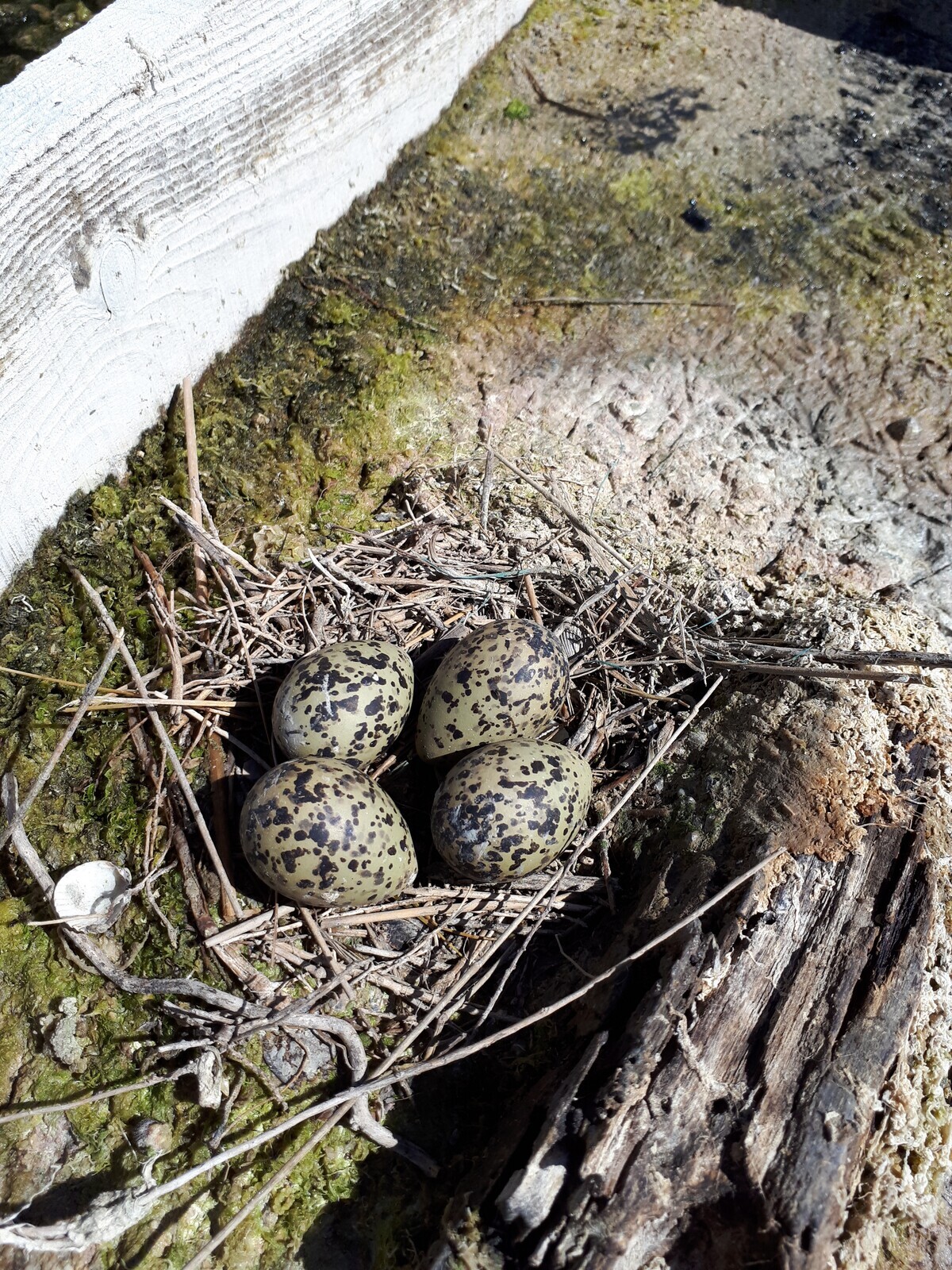 Camouflaged nest in the surrounding environment, next to a salt pan compartment
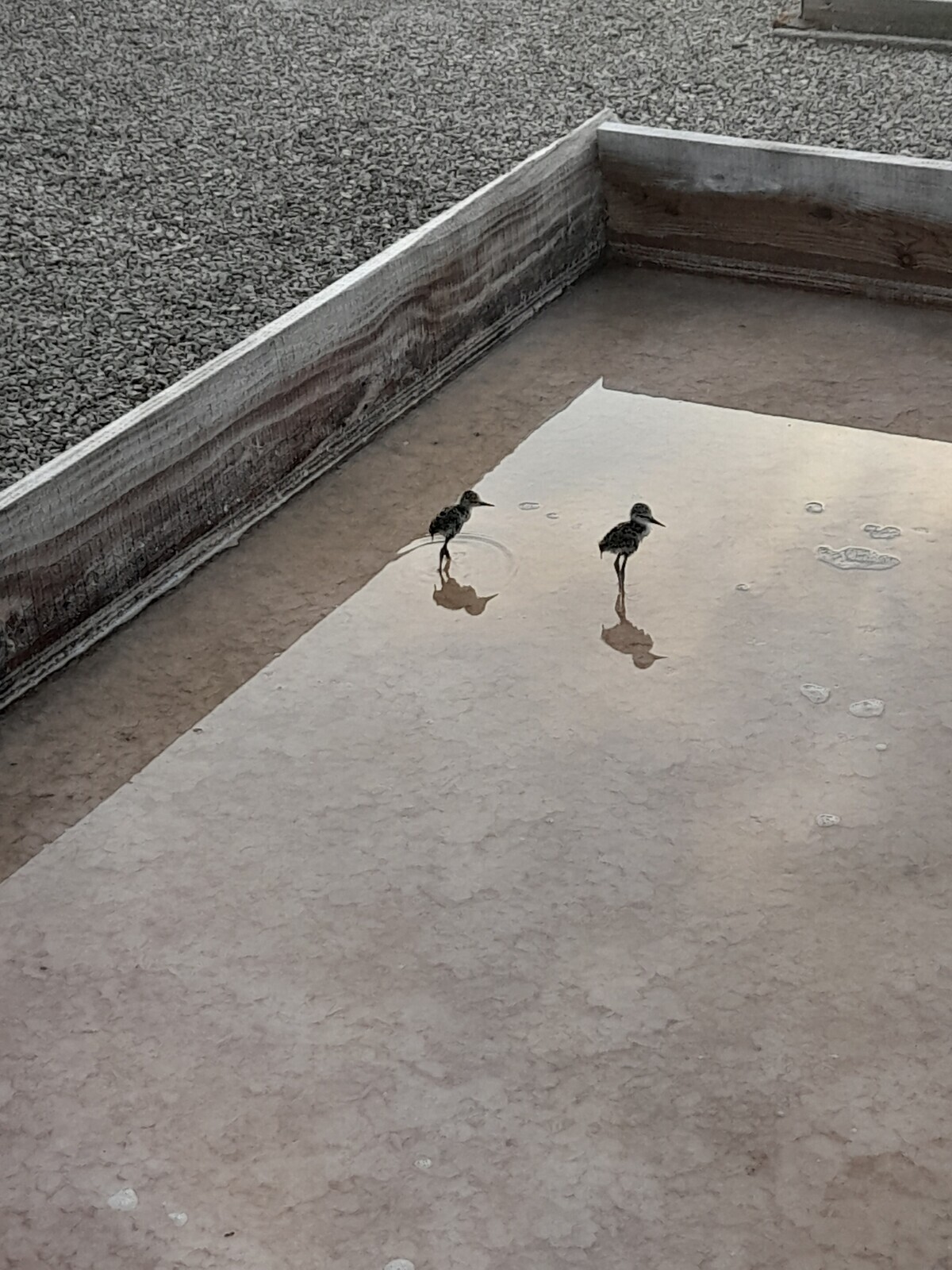 Black-winged stilt chicks in the salt pan compartments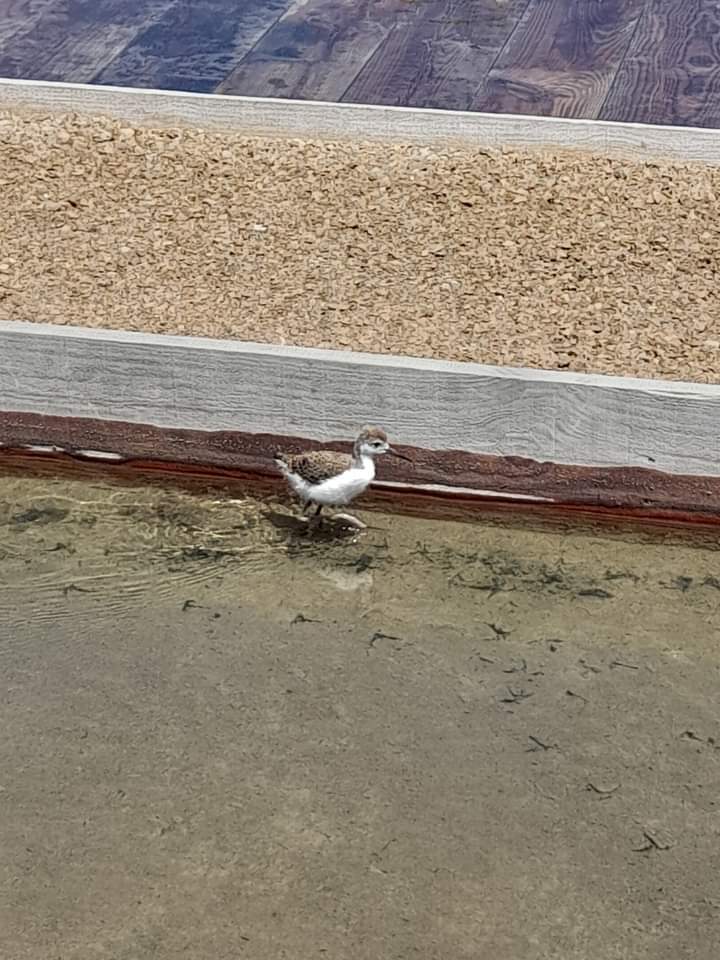
Juvenile black-winged stilt in the salt pan
-
Plovers are small shorebirds that have a habit of alternating a few steps with brief stops for “observation.” The Kentish Plover is brownish on top and white underneath, and has an "incomplete collar" around its neck. It can be observed in Portugal all year round. Many of the birds found here are migrants from northern Europe, passing through on their way to Africa. In spring, they occupy territories in dunes or salt pans, as is the case at Sítio das Marinhas.
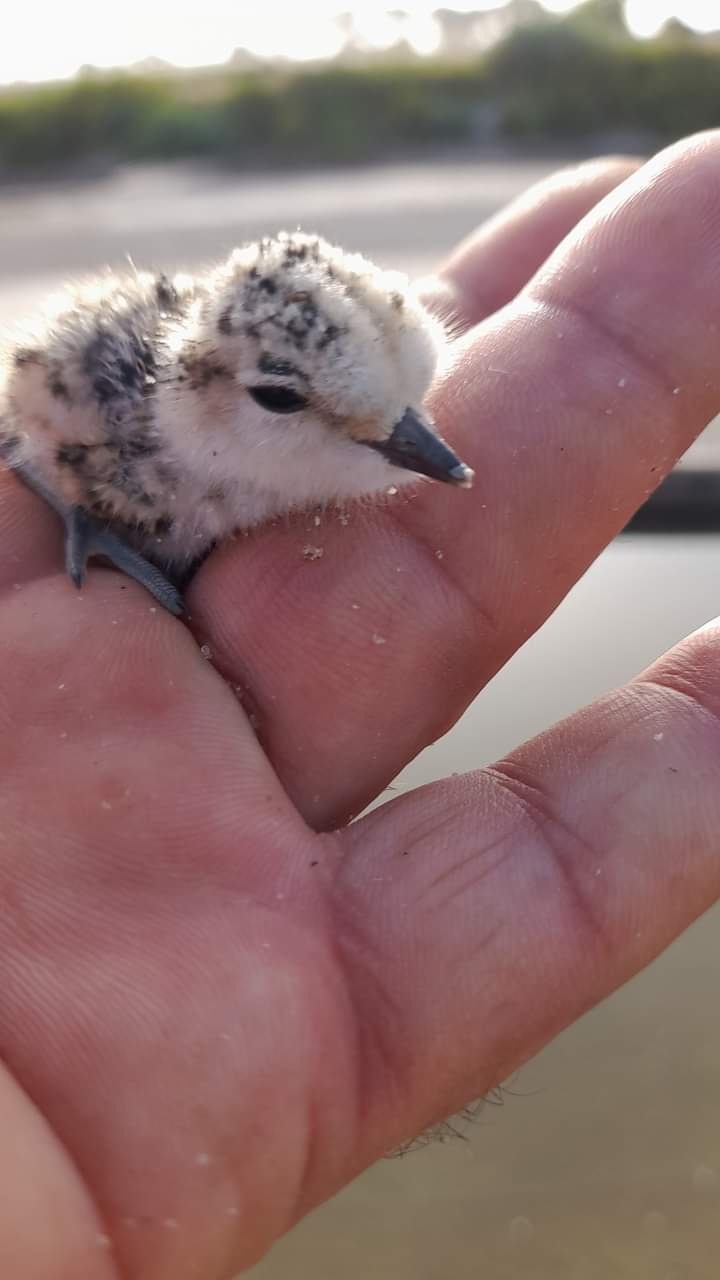 Eggs and chick of the Kentish Plover at Sítio das Marinhas. Note the species' camouflage strategy, as it nests on the ground.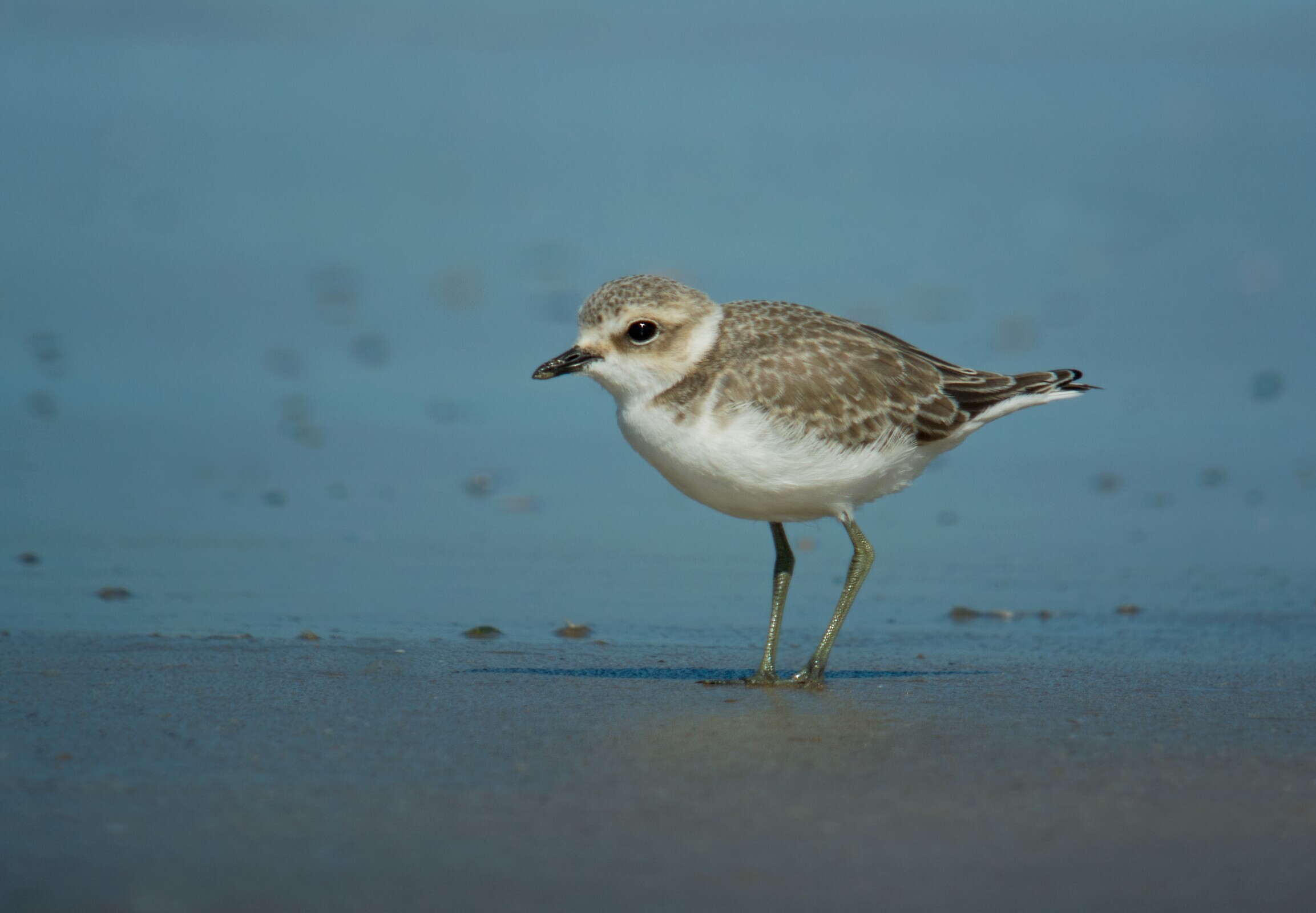
Adult Kentish Plover
-
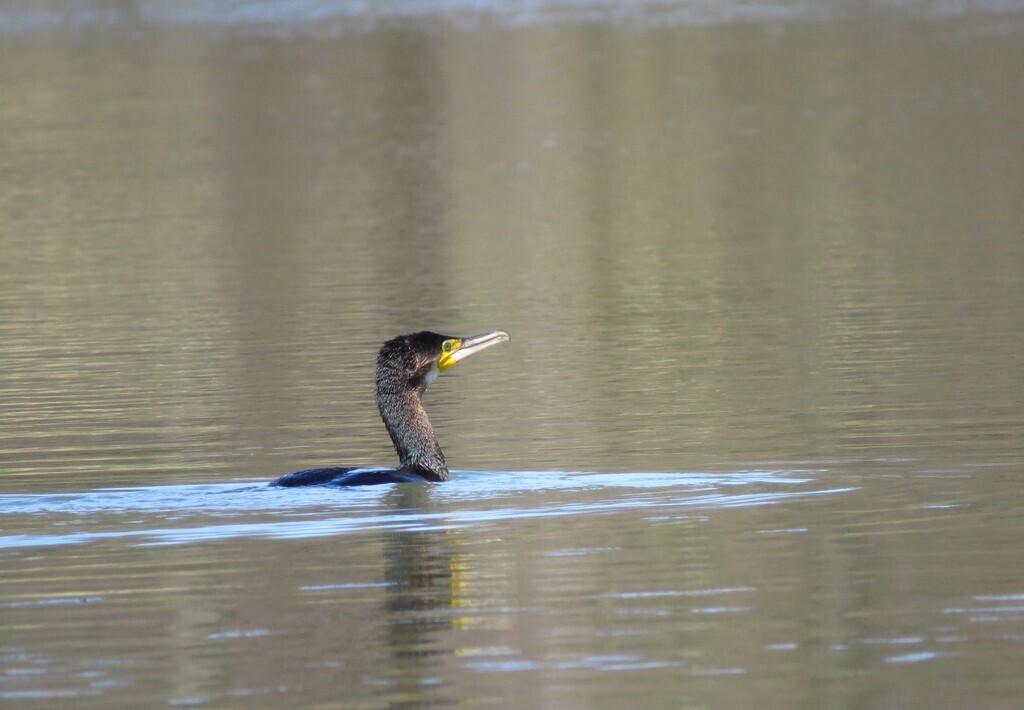
At Sítio das Marinhas, the Great Cormorant is a frequent visitor. This aquatic bird is almost entirely black, with a yellow bill contrasting with its black plumage. At the end of winter, it sometimes develops a white patch on each flank and another one on the head. With webbed feet and a streamlined body, it is an excellent swimmer, primarily feeding on fish.
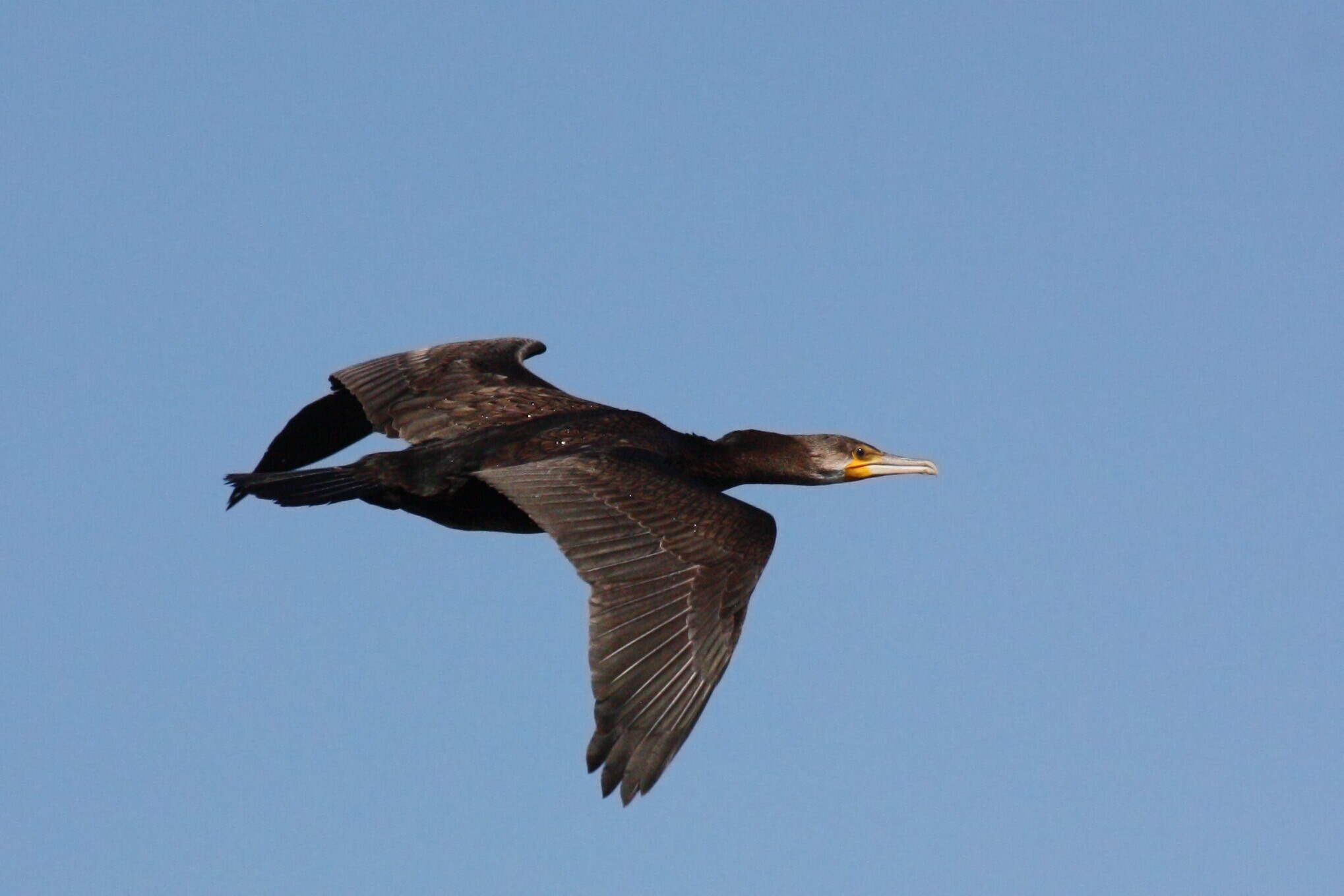
Great Cormorant (Phalacrocorax carbo)
 Selecionar este texto e colar o novo texto
-