


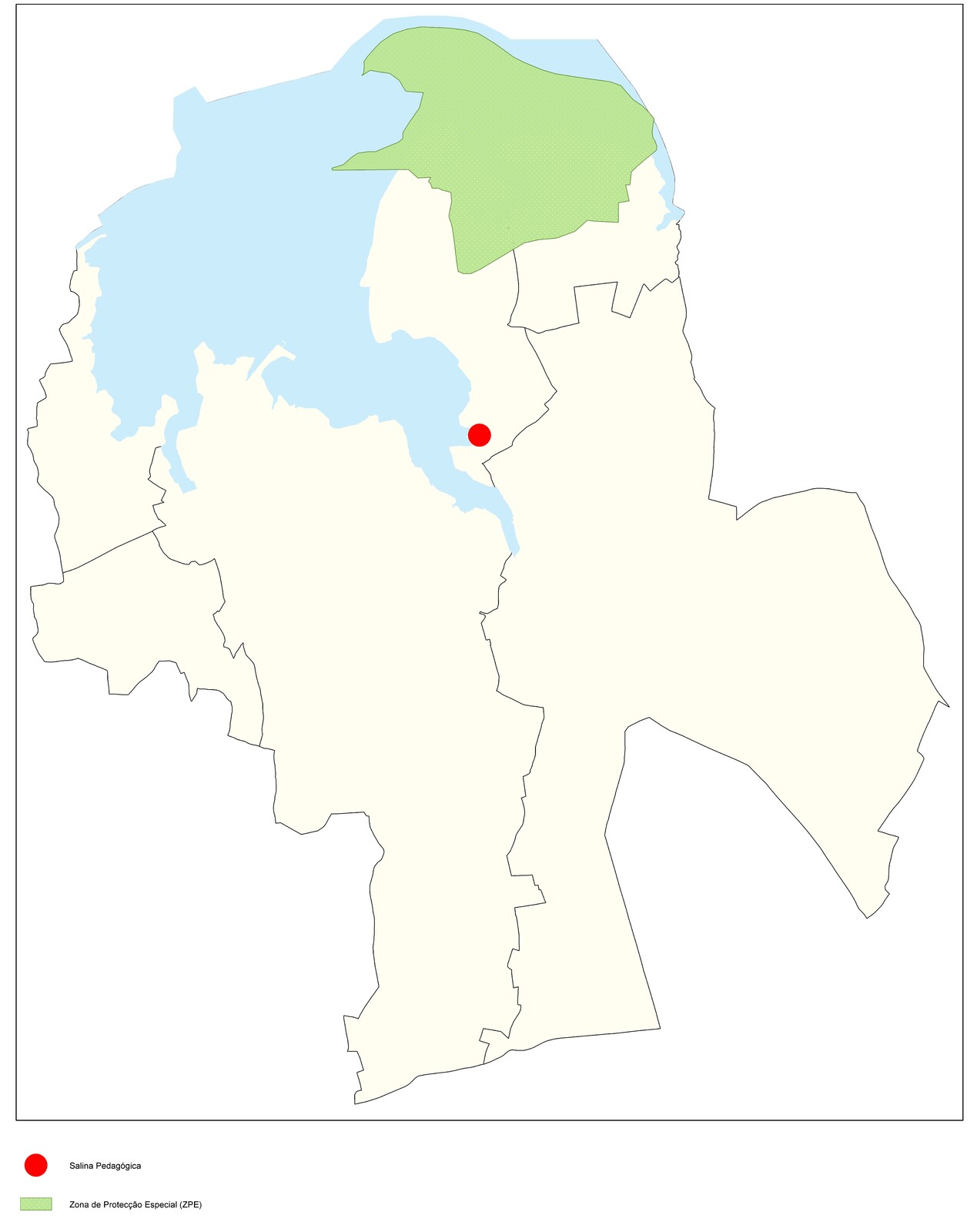
Sítio das Marinhas Location
On this map, which you can also consult on-site, you can locate the Sítio das Marinhas, both within the municipality of Moita and in relation to the city of Lisbon, as well as in relation to the main ecologically valuable areas of the Tagus estuary: the Tagus Estuary Natural Reserve (RNET) and the Special Protection Zone (ZPE).
Map of the portion of the Tagus Estuary Special Protection Zone (ZPE) located within the Municipality of Moita
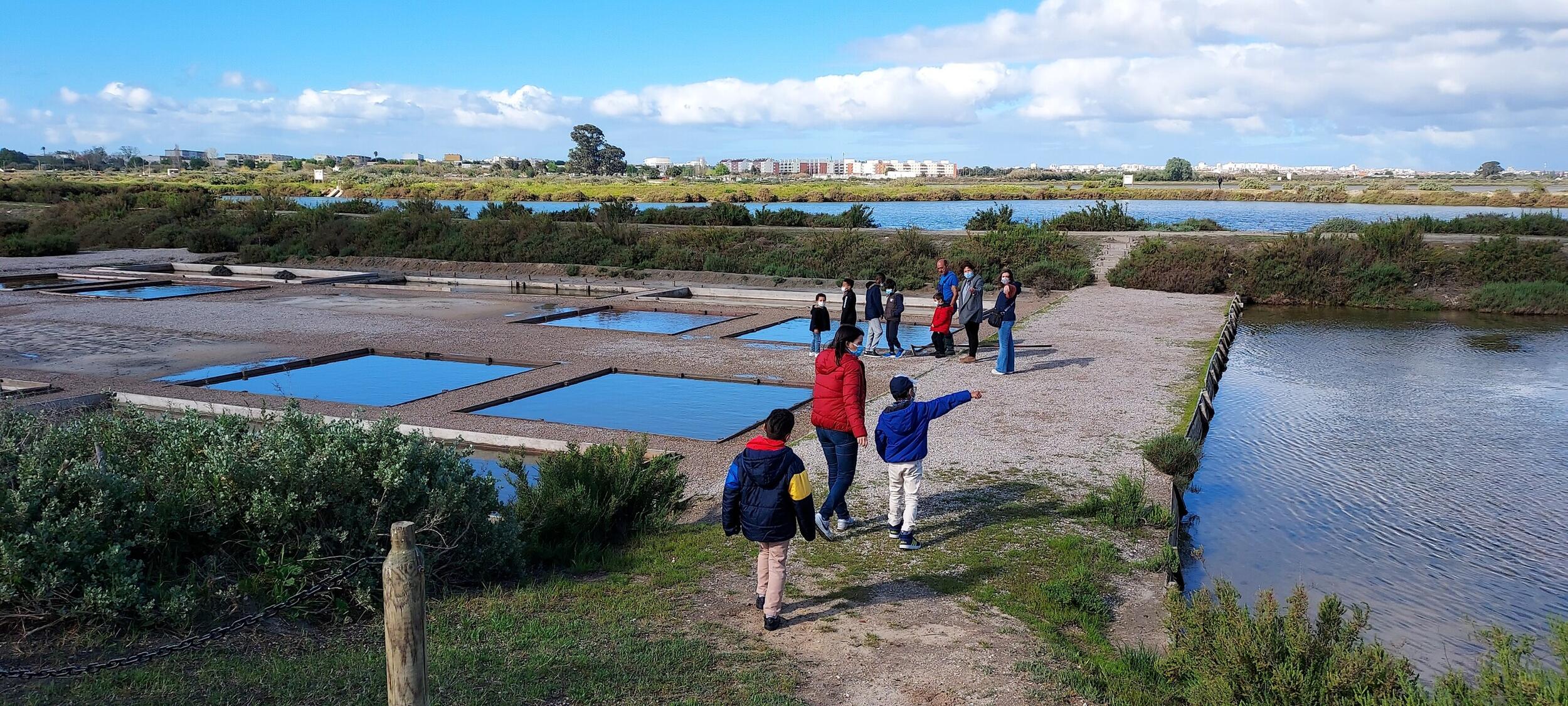
Birdwatching in the Estuary
The riverside area of the Municipality of Moita is largely made up of former salt pans, salt marshes, reed beds, mudflats, and sandy areas. These zones provide an excellent habitat for the estuary's waterfowl, offering refuge, food, and ideal conditions for reproduction and nesting.
Explore the sections below to learn more about the birds of the estuary:
-
Within the panorama of birdlife that frequents the estuary, there is a clear predominance of wading bird populations (from the Latin limus, meaning those that live in mud or sludge), a relatively diverse group belonging to the order Charadriiformes.
The most abundant species include the Black-tailed Godwit (Limosa limosa), the small Dunlin (Calidris alpina), the Avocet (Recurvirostra avosetta), the Grey Plover (Pluvialis squatarola), and the Common Redshank (Tringa totanus). The Black-winged Stilt (Himantopus himantopus) is a common breeding aquatic bird in rice fields, salt pans, and other saline areas, and is frequently observed at the Sítio das Marinhas, as is the small Kentish Plover (Charadrius alexandrinus), as previously mentioned.
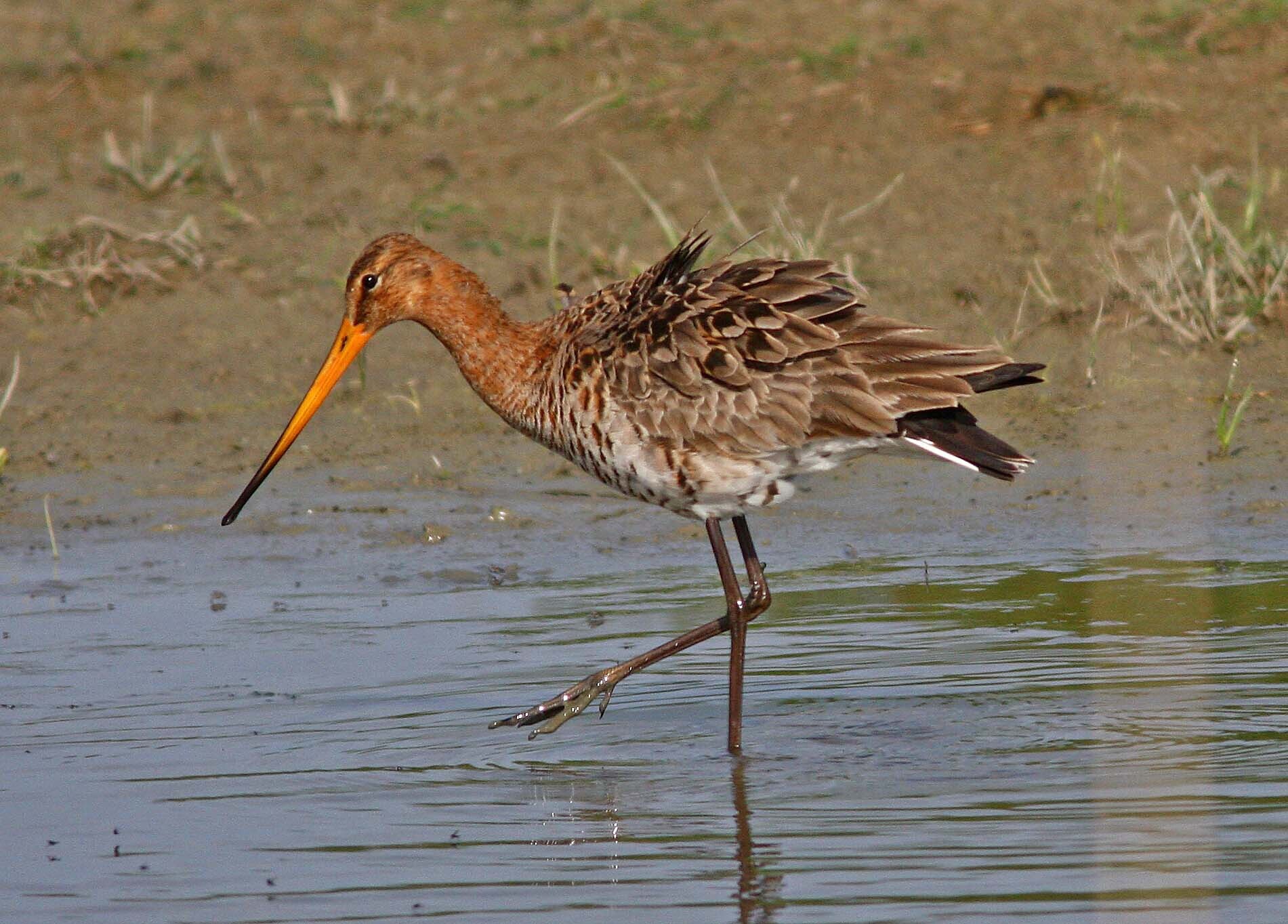
Black-tailed Godwit or Milherango, Limosa limosa (Frans Vandewalle)
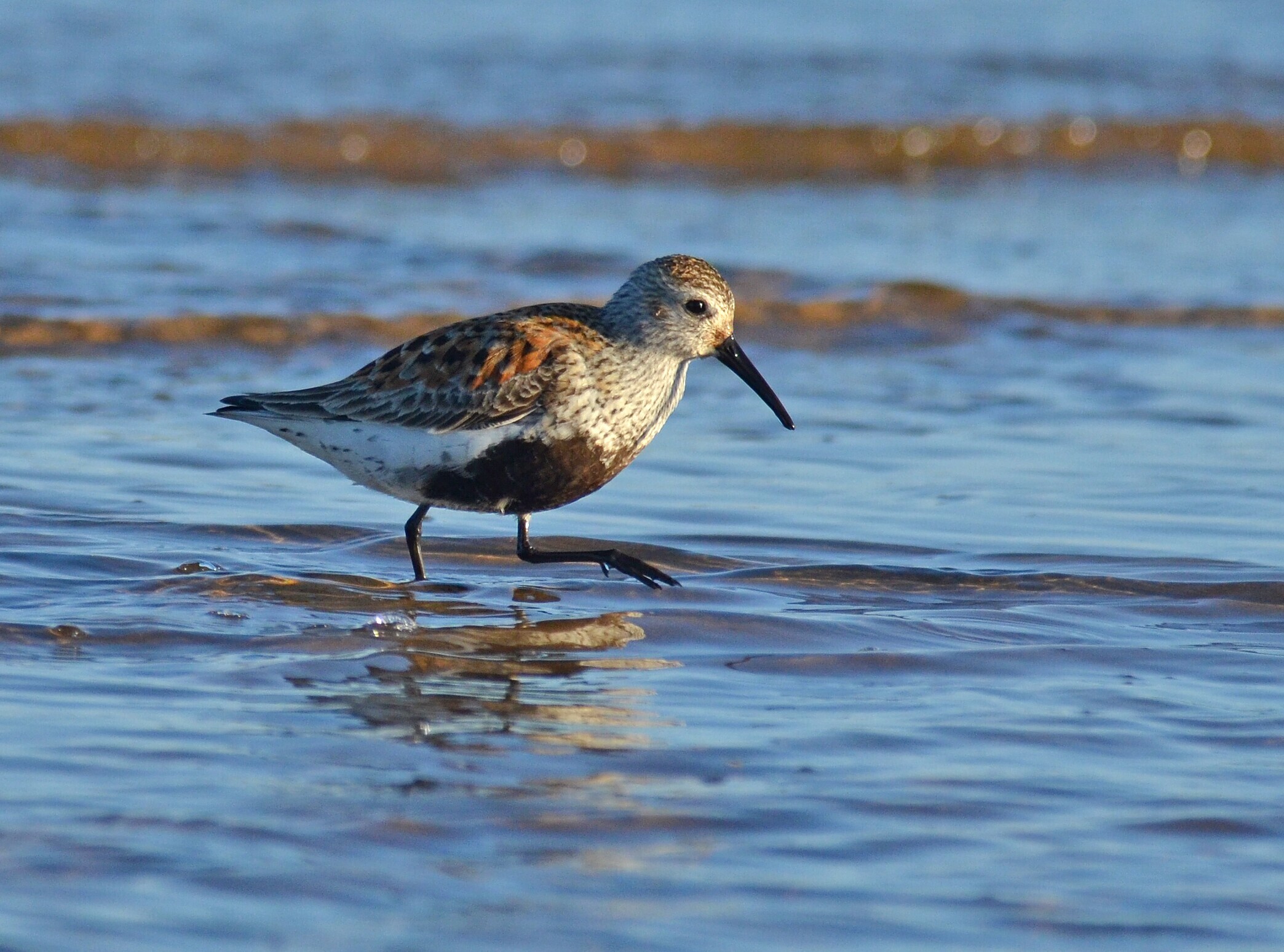 Dunlin or Black-bellied Dunlin, Calidris alpina (Ekaterina Chernetsova)
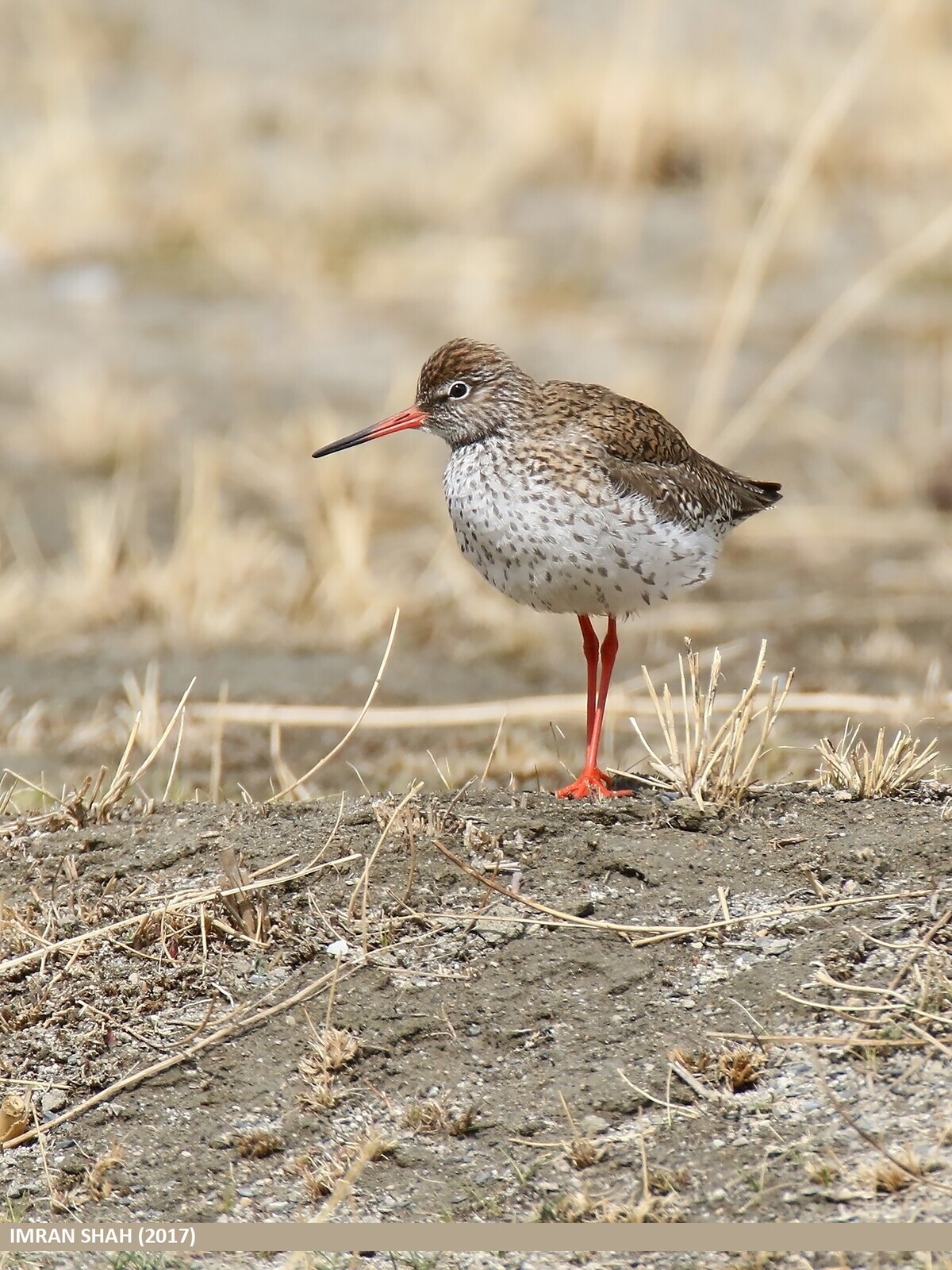
Perna-vermelha, Tringa totanus (Imran Shah)
-
It is common to find birds from other groups that stand out for their abundance, beauty, or distinctive appearance.
The Little Egret (Egretta garzetta) is a common resident that does not breed in the estuary. Its wintering population is quite large, making sightings frequent. It is sometimes mistaken for the Cattle Egret (Bubulcus ibis), but can be distinguished by its yellow feet and black beak.
The Grey Heron (Ardea cinerea) is a common wintering and migratory bird, also not breeding in the estuary. It inhabits the edges of ditches, mudflats, salt marshes, and salt pans.
The Greater Flamingo (Phoenicopterus roseus), with its pinkish-white plumage (or greyer in juveniles), is considered a common resident, though it does not breed in the estuary. The regular presence of this species in the Tagus is thought to be linked to the growing population in the Western Mediterranean.
The Eurasian Spoonbill (Platalea leucorodia), belonging to the same order as pelicans, uses its distinctive spoon-shaped bill to sweep through the mud and shallow waters in search of food. During breeding season, it displays a crest on the back of its head.
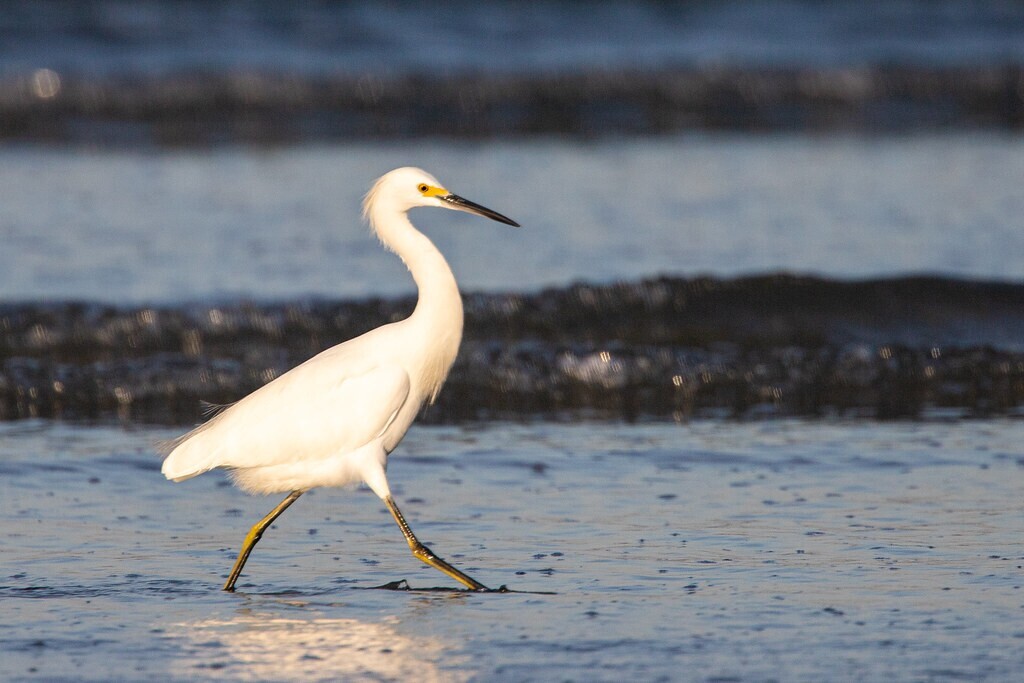 Little Egret, Egretta garzetta (Márcio Motta)
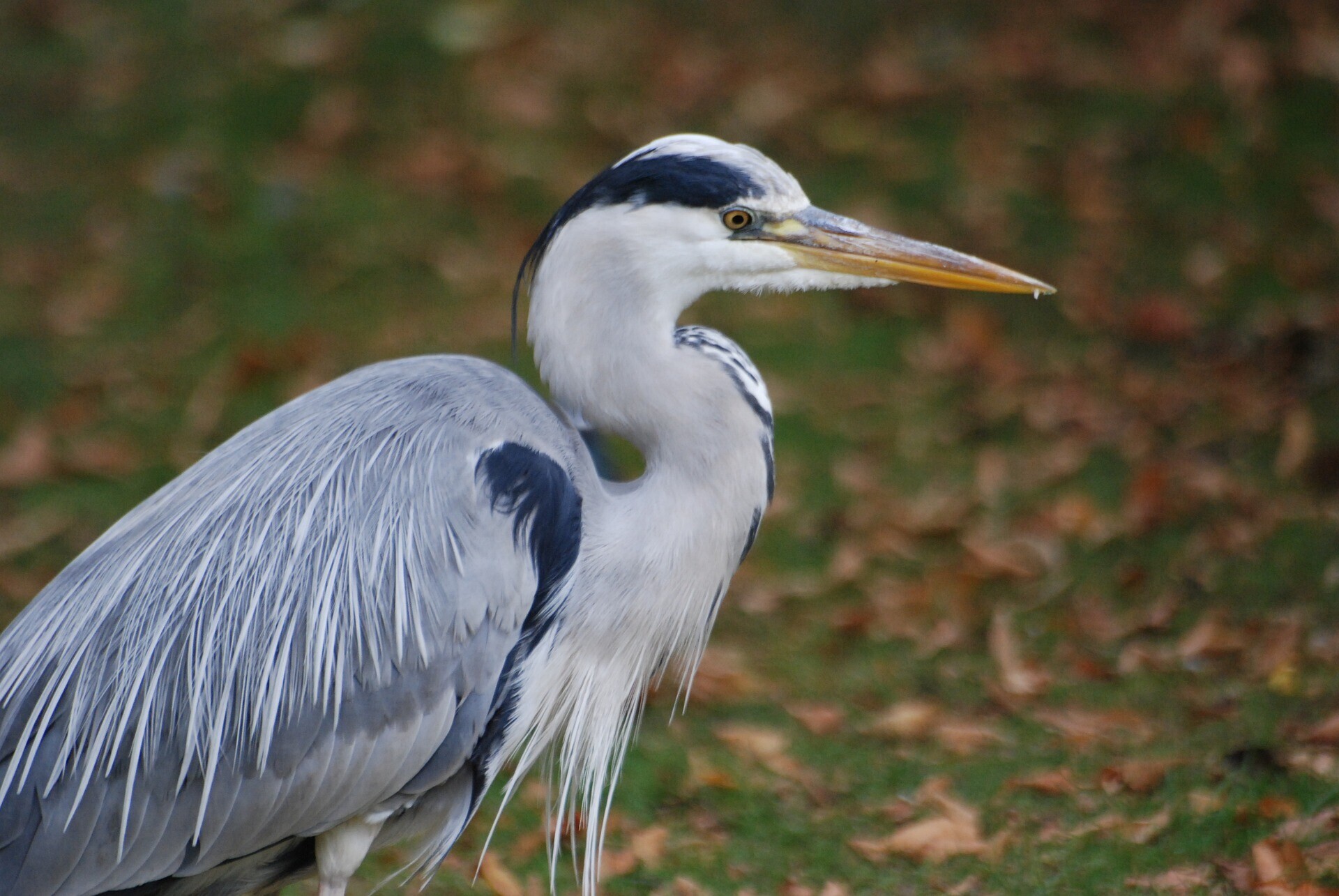 Grey Heron, Ardea cinerea (Steve Bidmead)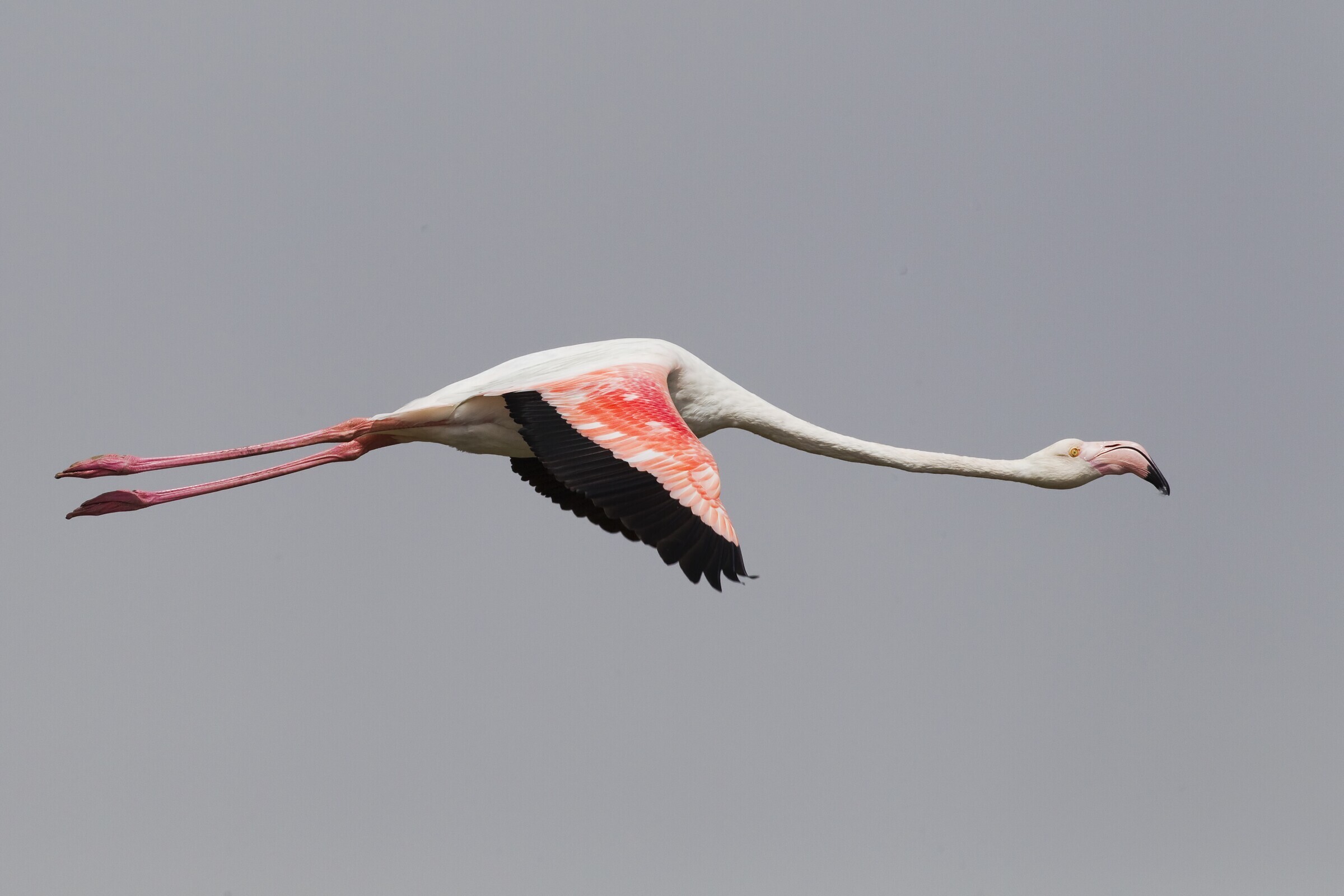
Flamingo, Phoenicopterus roseus, (Yathin S Krishnappa)
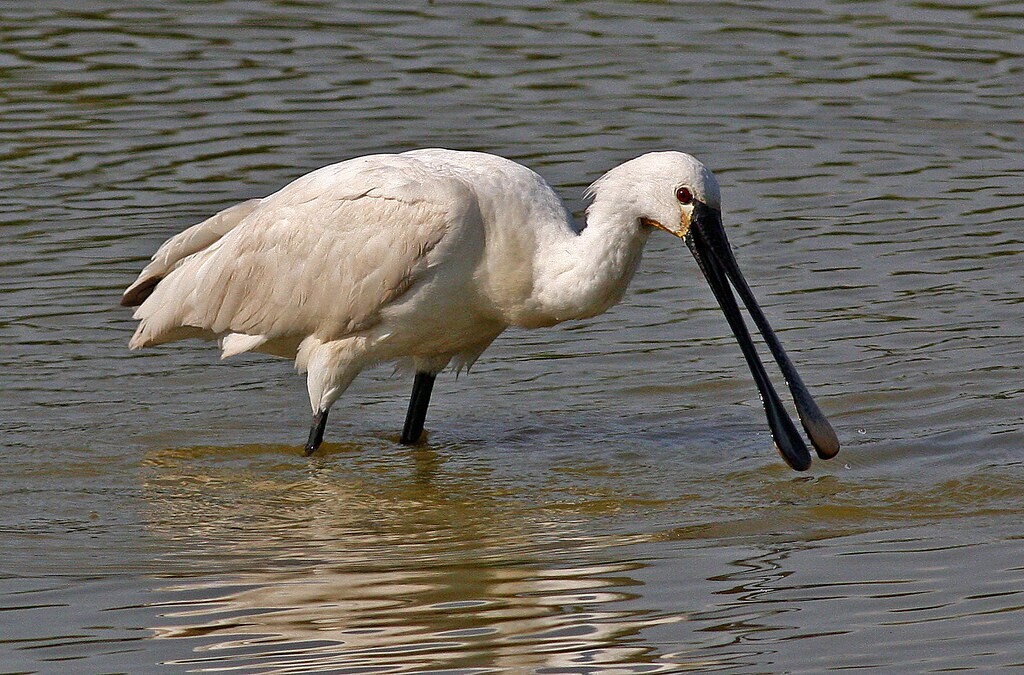 Eurasian Spoonbill, Platalea leucorodia (Frans Vandewalle)
Best Time for Birdwatching
If you're at the Sítio das Marinhas facing the estuary, you can spot a wide variety of waterbirds, especially in the intertidal zone. Birds tend to move around in search of food near the water channels or along the waterline, particularly during mid-tide, when the mudflat invertebrates are most active. If you have binoculars or a spotting scope, be sure to bring them along.
Autumn and winter are the best seasons for observing the greatest diversity and number of birds, due to the migrations many of these species undertake, using the estuary as a kind of refueling and resting stop. The vast majority are protected by national and European laws. You can check here for the approximate arrival dates of migratory species.
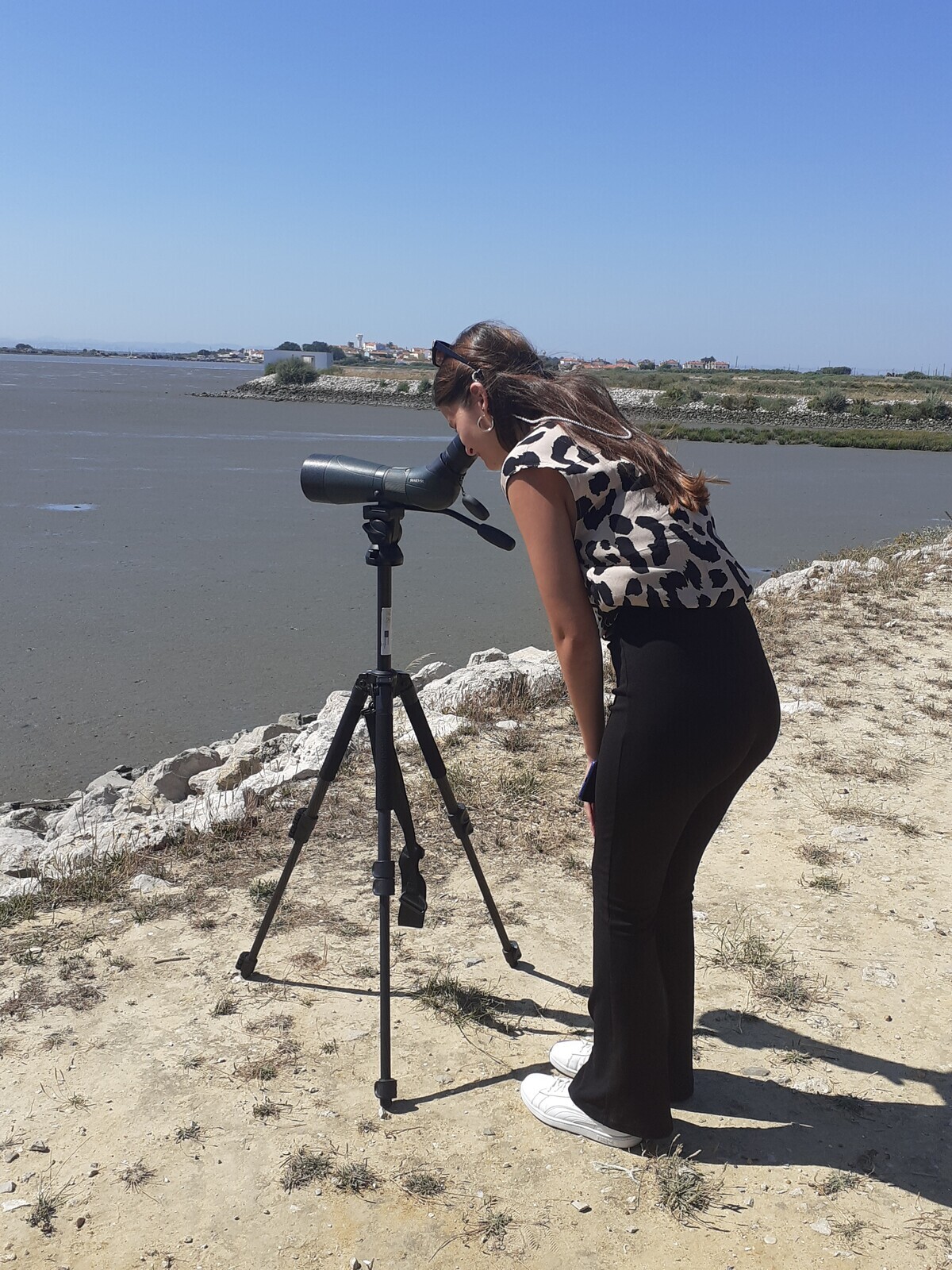
Observação de aves do estuário a partir do Sítio das Marinhas, com telescópio terrestre (Arquivo Municipal)
Getting to Know More
There are many species of birds! We recommend visiting the Aves de Portugal website at: https://www.avesdeportugal.info